
Updated October 15, 2026
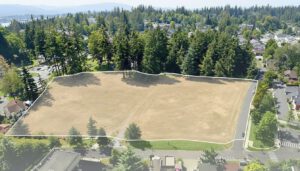
Buildable land on Seattle’s Eastside is in high demand and short supply. With strict zoning laws and environmental protections, even if you find land that looks perfect for your custom home, there may be significant restrictions or building limitations thanks to Washington State’s tough regulations.
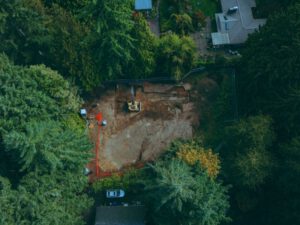
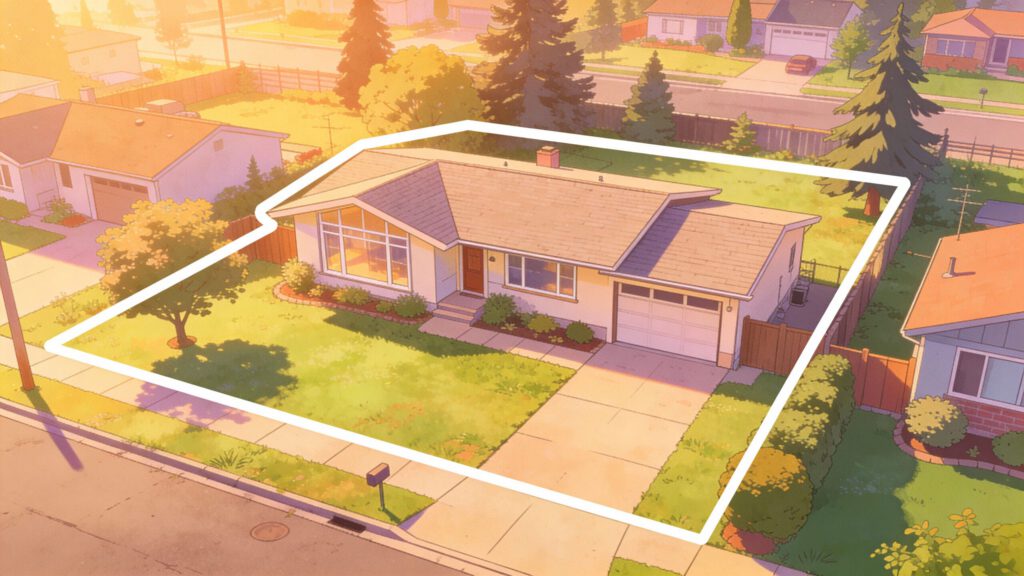
Because vacant land is rare and often cost-prohibitive on the Eastside, most successful custom builds happen on infill lots, which are lots with an existing home that can easily be removed. These properties have proven buildability and offer the best combination of location, infrastructure, and value. JayMarc Custom Homes specializes in these opportunities, where utilities and access already exist, and demolition costs are typically more predictable than the site work raw land can require.
Even with an existing structure, what appears to be a dream property can hide expensive challenges, and in Washington’s buyer-beware market, it’s up to you to do the homework before you buy. With more than 300 homes built across the Eastside Seattle area, JayMarc Custom Homes can help you evaluate your prospective lot before you commit, so you can buy with confidence and clarity.
Why a Buildable Lot Isn’t Always What It Seems
Empty doesn’t always mean buildable, and “existing home” doesn’t always mean ready to rebuild. Many parcels can have underlying conditions that affect what and where you can build, like zoning limits, slopes, protected trees, and access to utilities. What looks like a simple teardown can become complicated if setbacks, easements, or environmental protections limit usable space.
Each Eastside municipality, whether it’s Bellevue, Kirkland, Redmond, or peripheral areas governed by King County, has specific rules, setbacks, and permitting timelines. JayMarc’s Red Flag Review can help you identify issues before you buy. Using online tools, city databases, and over 15 years of local experience, we offer an expert look at your chosen property’s potential. This early insight can identify major concerns such as critical slopes, wetland buffers, or restrictive zoning, before a purchase is finalized.
A complete feasibility study with surveys, geotechnical reports, and environmental studies, happens after closing, during JayMarc’s detailed Preconstruction Planning Process. This two-phase approach balances speed with security, offering quick insights early, and detailed certainty once you own the lot.
Defining Your Custom Home Goals Before You Buy
Before you buy land, or a potential teardown, it’s important to define your goals and understand how the vision for your home aligns with what the land can realistically support. Identify your non-negotiables early on, like views, privacy, or room for a covered patio.
Your home’s design, size, and layout should guide your search. A lot that’s perfect for one style may not suit another. For example, a narrow or sloped property may not accommodate a rambler or a large outdoor living area. Some neighborhoods limit home height or style, while others have HOA requirements that influence design.
JayMarc Custom Homes can help you clarify your goals upfront, matching your vision and budget to the right property type so the lot you purchase aligns with what you actually want to build, not just what looks good on paper.
Real Factors That Determine If a Lot Is Buildable
Shape, Slope, and Site Conditions
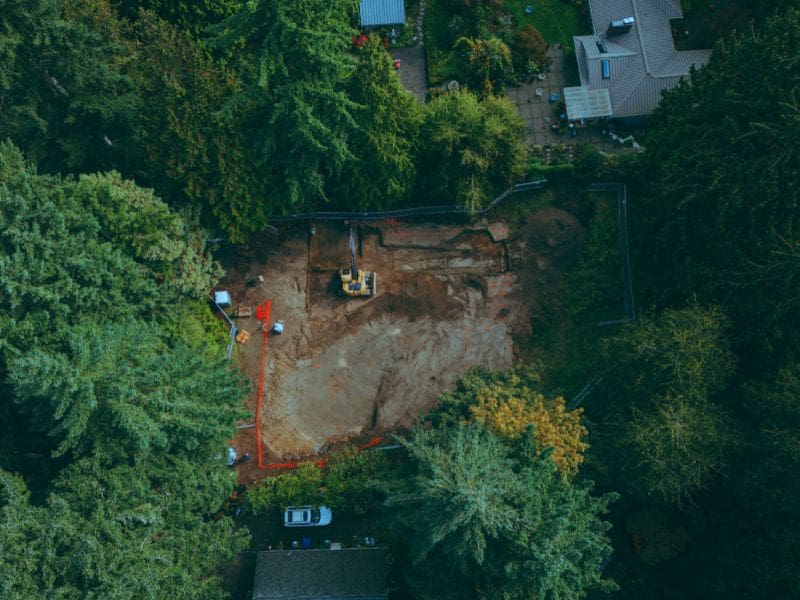
The lot’s topography determines much of what can be built. Flat lots typically cost less to prepare, while steep slopes require engineering and retaining walls. Tree protection zones, wetlands, and setbacks can all limit usable area. Even if an existing home stands on the property now, the new construction will need to abide by current environmental and zoning rules, which may be different than when the lot was originally developed.
Trees and Tree Protection Codes
Mature trees are part of what makes Eastside neighborhoods so appealing, and cities work hard to protect them. Bellevue, Kirkland, Redmond, Sammamish, and other Eastside cities regulate tree removal, and many require new construction to retain or replace a portion of significant trees on the lot. A protected tree and its root zone can determine where your home, driveway, and utility lines can go. An early look at the lot’s trees and at the city’s tree code helps you understand how much flexibility you will have in placing your home.
Utilities and Infrastructure
Existing homes often come with established utility connections, which is an advantage over raw land. Access to sewer, water, power, and gas reduces costs and eliminates the need for new infrastructure permits. Still, older connections and infrastructure may need updating, like power transformers, water meters, or septic systems.
Zoning, Setbacks, and Restrictions
City-specific zoning codes define how large your home can be, its height, and where it can sit on the lot. JayMarc’s Red Flag Review identifies these factors early, helping buyers avoid lots that don’t support the footprint of their dream home.
Permitting timelines vary widely across cities, from 4 months to over 1 year, so it’s important to plan ahead with a builder who understands each jurisdiction’s nuances.
Legal & Financial Due Diligence
Title reports, surveys, and recorded easements often reveal critical details that affect buildability. While areas and neighborhoods have rules that apply generally to everyone, the title report describes lot-specific information like easements, view restrictions, and HOA compliance. JayMarc helps clients uncover these issues, if any, before they commit.
Protecting Yourself Before You Close
Doing your homework only helps if you have time to act on what you learn. When you make an offer on land or a teardown, you can typically negotiate a feasibility contingency. This gives you a set review period to evaluate zoning, title, easements, utilities, and environmental constraints before you are fully committed to the purchase. If the review reveals a problem the property can’t overcome, the contingency gives you a path to walk away.
In competitive Eastside markets, sellers often push for shorter review periods, so preparation matters. Having your builder, broker, and any needed consultants lined up before you make an offer lets you use that window well. JayMarc’s Red Flag Review is designed to fit within this early stage, giving you fast, focused insight while you still have options. Your real estate broker can explain the specific contingency terms available for your purchase.
Top Questions to Ask Before Buying Land (or a Tear-Down)
Whether you’re eyeing a vacant parcel or a teardown opportunity, asking the right questions will help you find the best property for your custom home project, without costly surprises down the road:
- How long has the property been on the market, and why hasn’t it sold? If a property has been on the market for an extended time and has not sold, it may indicate permitting issues, access problems, or hidden challenges.
- Has the property been appraised or compared to recent sales in the area? Market value impacts financing, equity, and long-term investment return. It’s important to request an appraisal before finalizing your offer, especially if one hasn’t been recently completed.
- What is the zoning classification and maximum buildable square footage and impervious surface limits, and has the city confirmed the parcel’s buildable status under current codes? This defines what type of structures can be built, maximum heights, and land-use limits, and will confirm whether or not your custom home can actually be permitted and constructed as planned. Before finalizing your purchase, always verify with the city or a land-use consultant that the parcel’s buildable status is current and compliant.
- Has the property undergone subdivision or boundary adjustments? Subdivision or boundary changes can affect the legal description, access, setbacks and utility easements of a property which can limit where and how you can build.
- Has a recent land survey been completed? Surveys verify boundaries, reveal encroachments, and confirm whether fences, driveways, or trees cross lot lines. Completing a current land survey before closing helps protect your investment and avoid boundary disputes.
- Are there any recorded easements, right-of-ways, or title issues? A clear title is essential! Utility easements or shared driveways can affect home placement and privacy, and title issues, liens, or ownership complications can lead to hidden financial or legal claims.
- Are utilities active and separate, or shared with neighboring lots, and will extensions be required? Confirm utility connections early to avoid unexpected construction costs, and verify that the utility services on your property are independent, not shared with adjacent lots. Missing sewer, water, or power stubs can add tens of thousands of dollars and could cause permitting delays.
- Is the lot easily accessible for construction vehicles and deliveries? Narrow or steep driveways and limited turnaround space can make construction more difficult and costly. Confirm that your lot can be easily accessed without adding temporary access routes or grading adjustments.
- Does the city provide trash pickup, mail service, and other utilities? Some semi-rural areas may require private arrangements for these services. Verify that your property will have all essential services and utilities in place to prevent last-minute surprises.
- Is the lot part of an HOA or subject to private neighborhood covenants? Private covenants and HOAs may have architectural guidelines, design approvals, and landscaping rules that limit design flexibility. Confirm your custom home plans with community guidelines before committing to a purchase.
JayMarc’s Red Flag Review helps you get early clarity on these points so you can make a confident, informed decision before purchase.
How JayMarc Guides You Through the Process
From your first lot tour to the moment your custom home is complete, JayMarc Custom Homes provides clarity at every step.
- Pre-Purchase: As part of the Discovery phase, our Red Flag Review includes in-depth research to uncover potential barriers and challenges to development.
- After Closing: Full feasibility and preconstruction planning with detailed surveys, reports, and design integration before permit submission.
- Throughout: Expert communication and transparency from a team that’s built 300+ Eastside homes.
As part of our proven process, this phased approach helps our clients minimize risk, understand timelines, and start their home journey with confidence. From lot assessment and budgeting to design and final walkthrough, our refined, proven process ensures you’re supported at every stage.
Building a custom home is one of life’s biggest investments. You deserve a builder who prioritizes quality, accountability, and your peace of mind.
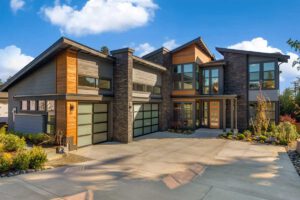
As a trusted Design-Build firm in the Greater Seattle Area, JayMarc Custom Homes brings decades of experience, award-winning design, and local knowledge to every project. With a focus on lifestyle, function, and timeless design, every JayMarc home is tailored to how you live, balancing luxury with livability and quality with customization.
At JayMarc Custom Homes, we believe that building beautiful, functional homes is only part of our purpose. What truly sets us apart is our commitment to delivering an exceptional, personalized experience every step of the way.
Our white-glove service means you’re cared for at every touchpoint from your initial consultation to post-move-in support. We offer proprietary tools like our digital homeowner portal, educational resources like webinars and articles, and a client-first approach that prioritizes communication, transparency, and peace of mind.
From day one to move-in day, and beyond, JayMarc’s process is designed to keep your project on schedule, on budget, and built to the highest standards of quality.
Start Your Custom Home Journey with Confidence
Buying buildable land on Seattle’s Eastside is an exciting opportunity when guided by the right team. JayMarc Custom Homes combines local knowledge, builder expertise, and a proven process to help you make smart, informed decisions.
Whether you’re exploring Bellevue, Kirkland, or Redmond, we’re here to help you find a lot that is perfect for your dream home. Schedule your consultation today to start your custom home journey with a builder who values clarity and precision.
Start Your JourneyFAQs About Buying Land on Seattle’s Eastside
Start with the lot’s zoning district, then review the city’s development standards for that zone. The key limits are usually setbacks from property lines, maximum lot coverage, impervious surface limits, building height, and in some cities a floor area ratio that caps total square footage. Easements, critical areas, and protected trees can shrink the buildable area further. Parcel maps from King County iMap or the city’s GIS site are a good starting point. A builder or land-use professional should confirm how the rules apply to your specific lot.
Critical areas are environmentally sensitive lands that Washington’s Growth Management Act requires cities and counties to protect.
They include:
-wetlands
-fish and wildlife habitat such as streams
-steep slopes and other geologically hazardous areas
-frequently flooded areas
-aquifer recharge areas
If a lot contains or sits near one, required buffers can reduce where you can build. The city may also require specialized studies, such as a geotechnical or wetland report, before issuing permits. Each Eastside city maps and regulates critical areas under its own code.
Yes. In Washington, buyers of land or a teardown can negotiate a feasibility contingency. It gives you a set period after your offer is accepted to investigate the property and withdraw if it won’t support your plans. During that window, you can review zoning, title, easements, utilities, and environmental constraints, and get input from your builder. Sellers in competitive Eastside markets often push for shorter review periods, so it helps to have your team lined up before you make an offer. Your real estate broker can explain the specific terms.
Often not without a permit. Bellevue, Kirkland, Redmond, Sammamish, Mercer Island, and other Eastside cities regulate tree removal, especially for larger significant trees. Many require new construction to keep or replace a percentage of qualifying trees. Protected trees and their root zones can affect where the home, driveway, and utility lines can go. Each city defines and protects trees differently, so get an arborist report and review the local tree code early, ideally before you finalize your purchase or site plan.
For most Eastside custom homes, a teardown lot is the more practical choice. Vacant parcels in established neighborhoods are scarce, and the ones that remain are sometimes undeveloped for a reason, such as steep slopes, wetlands, difficult access, or missing utilities. A teardown typically comes with road access and existing utility connections. Vacant land can work well when it has been carefully vetted. Either way, the new home must meet today’s codes, not the rules in place when the original house was built.
Demolition involves more preparation than most buyers expect. In the Puget Sound region, an asbestos survey by a certified inspector is required before demolition, and the Puget Sound Clean Air Agency must be notified. Any asbestos found has to be removed by qualified professionals first. Utilities must be disconnected or capped, an old septic system may need to be properly decommissioned, and erosion control measures are typically required. Coordinating demolition with the new home’s permit schedule helps keep the lot from sitting empty longer than necessary.
Beyond the purchase price, common site-related costs include:
-demolition and hazardous material abatement
-surveys, plus geotechnical and arborist reports
-utility upgrades such as a larger water meter or new sewer connection
-excavation and retaining walls on sloped lots
-stormwater management systems
-tree replacement requirements
-city permit and impact fees
These costs vary widely from one lot to the next. Estimate site work separately from the cost of the home itself so you can compare properties more accurately.
Yes, but it takes extra planning. In King County, new or replacement septic systems must be designed by a licensed professional and approved by Public Health Seattle & King County. A system sized for an older, smaller house may not support a new home with more bedrooms. Soil testing determines what type of system the site can handle, and the drainfield plus its required reserve area can limit where the home goes. If public sewer is nearby, connecting may be required or worth comparing.