


Many homeowners assume waiting is the safe choice when planning a custom home. But in today’s market, delays often add to the risk rather than reduce it. Rising construction costs, labor constraints, regulatory changes, and financing uncertainty can quietly erode buying power and flexibility.
Building a custom home is a complex journey, and some uncertainty is naturally part of the process. The goal is not to eliminate every unknown before starting. It is to work with a builder who can guide you through the planning process and help you make the decisions that matter most early on.
In this article, JayMarc explains why waiting may cost more than moving forward with the right planning and guidance.
The Hidden Cost of Waiting: What Most Homeowners Don’t See
When people think about construction cost increases, they usually think about lumber or concrete prices. But cost pressure rarely comes from just materials. It tends to build across multiple parts of the project.
Inflation touches every part of construction, from materials and labor to engineering, permitting, and design services. What might look like a modest increase in one area can compound across the full scope of the build.
Waiting can also reduce options rather than relieve pressure. Trade partners get booked out, lending programs shift, and design constraints may change with regulations. When those factors stack together, homeowners often find themselves making reactive decisions instead of thoughtful ones.
The longer a project remains on hold, the greater the chance that external conditions will reshape your plan and your budget.
Material Cost Uncertainty
Construction pricing is influenced by a mix of global supply chains, domestic manufacturing costs, and government policy.
Builders and trade partners anticipate pricing changes incrementally throughout the year and adapt differently depending on the cause or amount of increase. Some increase base pricing to account for uncertainty. Others include escalation clauses that outline how price increases will be shared between builder and client.
This makes early planning especially valuable. JayMarc Homes works closely with long-standing trade partners and suppliers who regularly communicate anticipated pricing changes. This allows our team to plan budgets using current and forward looking data to address potential cost increases before they impact the project.
Labor Shortages Aren’t Going Away
Another major factor that affects construction is the shortage of skilled trades across the Pacific Northwest. Electricians, framers, plumbers, and finish carpenters are in high demand, and the supply of experienced professionals can’t keep up.
As demand rises, labor rates increase and scheduling becomes more competitive. Builders who don’t have stable relationships with trade partners often struggle to secure crews when they need them.
Scheduling also becomes more difficult when trades are working across multiple projects. If one project slips, it can affect others waiting for the same crews.
JayMarc Homes has worked with many of the same partners for years. Those relationships create reliability and accountability across projects. Once a construction agreement is signed, JayMarc begins awarding trade contracts and building out the full project schedule so our trade partners know exactly when they will be needed on site.
This early coordination helps reduce the scheduling conflicts that often cause delays later in the build.
Zoning and Code Changes Can Change What You’re Allowed to Build
Many homeowners assume that regulations stay the same over time. In reality, zoning rules, energy codes, and environmental requirements are updated regularly.
In the past few years alone, the region has experienced several changes that affected new home construction. Updated energy codes added significant cost to many projects, and zoning adjustments in certain jurisdictions changed the allowable size or placement of homes on some properties.
Setback requirements, height limits, floor-area ratios, and tree retention rules can all shift over time. When these updates occur, projects that were previously feasible may require redesign or additional engineering.
Local expertise is critical in this environment. JayMarc’s early Red Flag Review and feasibility process evaluates zoning, setbacks, environmental conditions, and jurisdictional requirements before design moves too far forward. This early insight helps homeowners understand what their lot can support and reduces the risk of major redesign later.
Financing Shifts Can Impact Affordability Faster Than Expected
Financing conditions are another factor that can change quickly. Interest rate fluctuations directly affect monthly payments and the overall cost of a custom home project. Even small rate changes can significantly alter affordability over the life of a loan.
Construction loan products also change as lenders respond to economic conditions. Some financial institutions adjust their requirements for down payments, reserves, or construction draw schedules.
Appraisal standards may also tighten in certain markets. Custom homes sometimes cost more to build than nearby homes have sold for, which can make comparable sales harder to establish during appraisal. When that happens, financing structures may need adjustment.
Starting the planning process early allows homeowners to understand financing options and prepare for potential changes before construction begins.
Why Waiting Can Create Duplicate Work
Another overlooked risk of waiting is duplication. When projects pause for long periods, some of the work already completed may need to be repeated.
For example, a design created under one set of zoning rules may require revision if regulations change. Budgets prepared months earlier may need to be updated if labor or material prices shift. Trade partner bids may expire and require rebidding.
These repeated steps increase both time and cost without necessarily improving the final home.
Starting the planning process early often reduces this duplication. Once feasibility, design, and budgeting are aligned, projects can move forward with fewer interruptions.
Why Smart Planning Beats Perfect Timing
The custom home process rarely depends on perfect market timing. What matters more is having a structured process that reduces uncertainty.
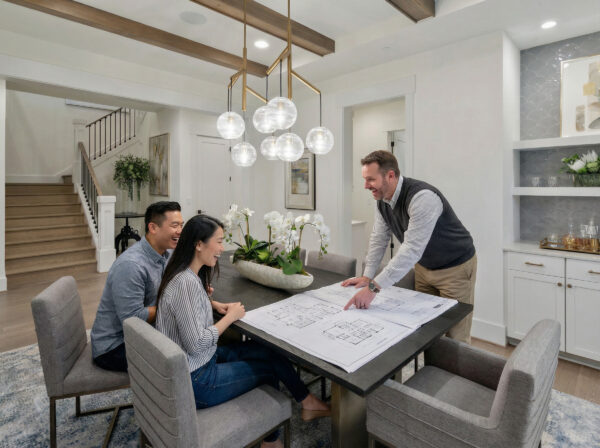
At JayMarc Homes, our approach focuses on three early phases that bring clarity before construction begins:
- Discovery: This stage evaluates the property through preliminary feasibility reviews, zoning analysis, and early budgeting so homeowners understand what their lot can realistically support.
- Design: Architectural and interior design decisions are developed in collaboration with the homeowner while cost estimates are updated in real time alongside the design.
- Define: Engineering, permitting preparation, trade bidding, and final budgeting take place so the project enters construction with clear scope and pricing.
This front-loaded approach to planning helps homeowners move forward thoughtfully rather than reacting to unexpected issues later.
How JayMarc Helps Clients Build Strategically in Uncertain Times
JayMarc Homes has built more than 300 custom homes across Seattle’s Eastside and has developed a structured design-build process that helps clients manage the complexity of custom construction.
Early Red Flag Review and feasibility analysis – Site conditions, zoning constraints, utilities, and environmental factors are evaluated before design decisions are finalized.
- Real-time cost modeling – Budgets are updated throughout the design process using current material and labor data rather than estimates
- Design decisions that support the budget -Selections are made earlier in the process to align the home design with realistic construction costs.
- Local permitting expertise -TheJayMarc team works closely with Eastside jurisdictions and understands the nuances of local zoning and permitting requirements.
- Long-standing trade partner relationships -Established subcontractor partnerships help stabilize labor availability and scheduling throughout the build.
Together, these elements allow homeowners to move forward strategically rather than waiting for ideal market conditions that may never arrive.
When Waiting Does Make Sense (And When It Doesn’t)
There are situations where waiting may be the right decision.
For example, homeowners who are still searching for land or who are not ready for the commitment of the building process may benefit from taking additional time. Building a custom home requires both financial readiness and a willingness to engage in the design and decision-making journey.
However, waiting can increase risk in other situations.
Projects that are sensitive to construction costs, affected by zoning limitations, or dependent on favorable financing conditions may become more difficult as time passes. In those cases, beginning the planning process earlier may provide more flexibility and control.
The most important thing is understanding the conditions surrounding your project and making informed decisions based on real data.
Start Your Custom Home Journey with Clarity and Confidence
Waiting feels safe, but clarity is safer. The earlier you understand your site, budget, and options, the more control you have regardless of market conditions. With the right builder guiding the process, homeowners can make thoughtful decisions and move forward with confidence.
If you are considering building a custom home on Seattle’s Eastside, the JayMarc Homes team can help you evaluate your property, your timeline, and your goals so you can determine what’s right for you.
Schedule a consultation with JayMarc Homes to talk through your plans and understand how thoughtful planning today can protect your future home, budget, and peace of mind.