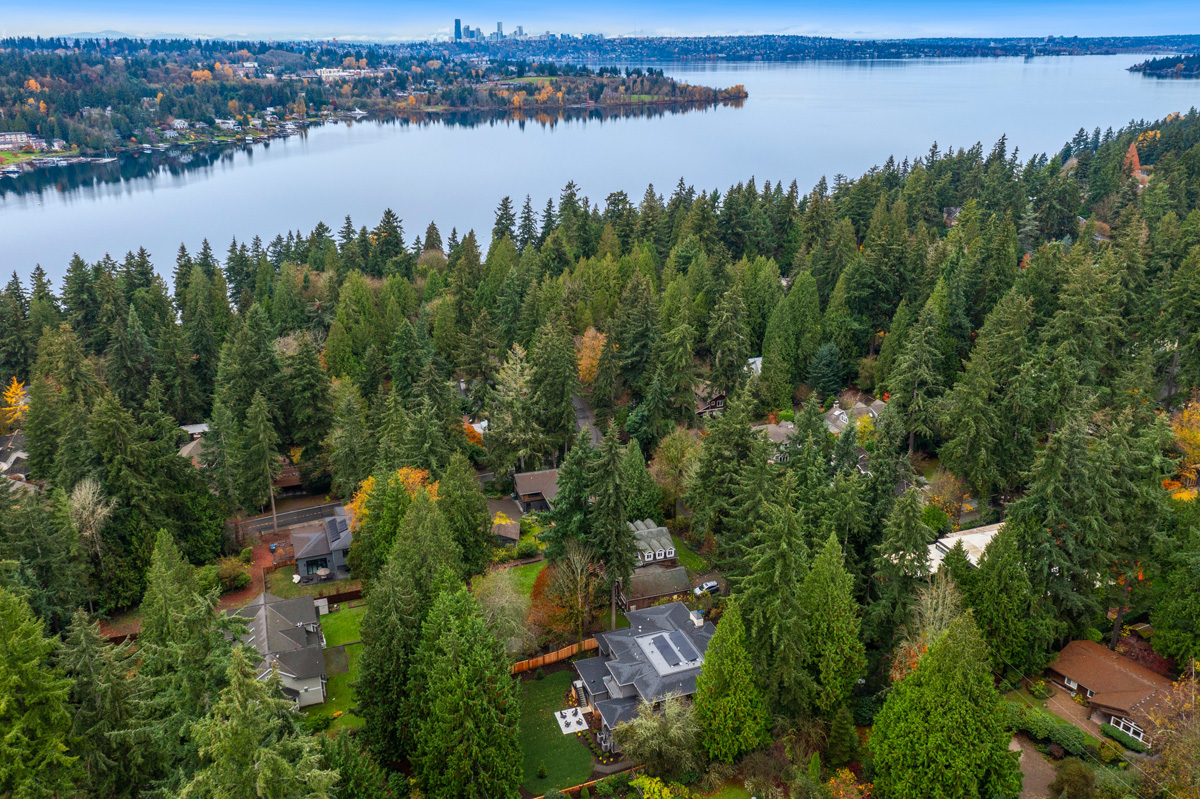
If you’re planning to build a custom home in Bellevue, one of your first decisions might be whether to purchase vacant land or an existing home that you can tear down and replace.
Buying vacant land or a teardown each have benefits and drawbacks. Understanding them, specifically on your found property, and how those impact overall budget and lot potential, is critical before making an acquisition decision.
What Is the Difference Between Vacant Land and a Teardown Property?
Both options can provide an opportunity to build a custom home, but they come with different considerations.
Buying Vacant Land in Bellevue
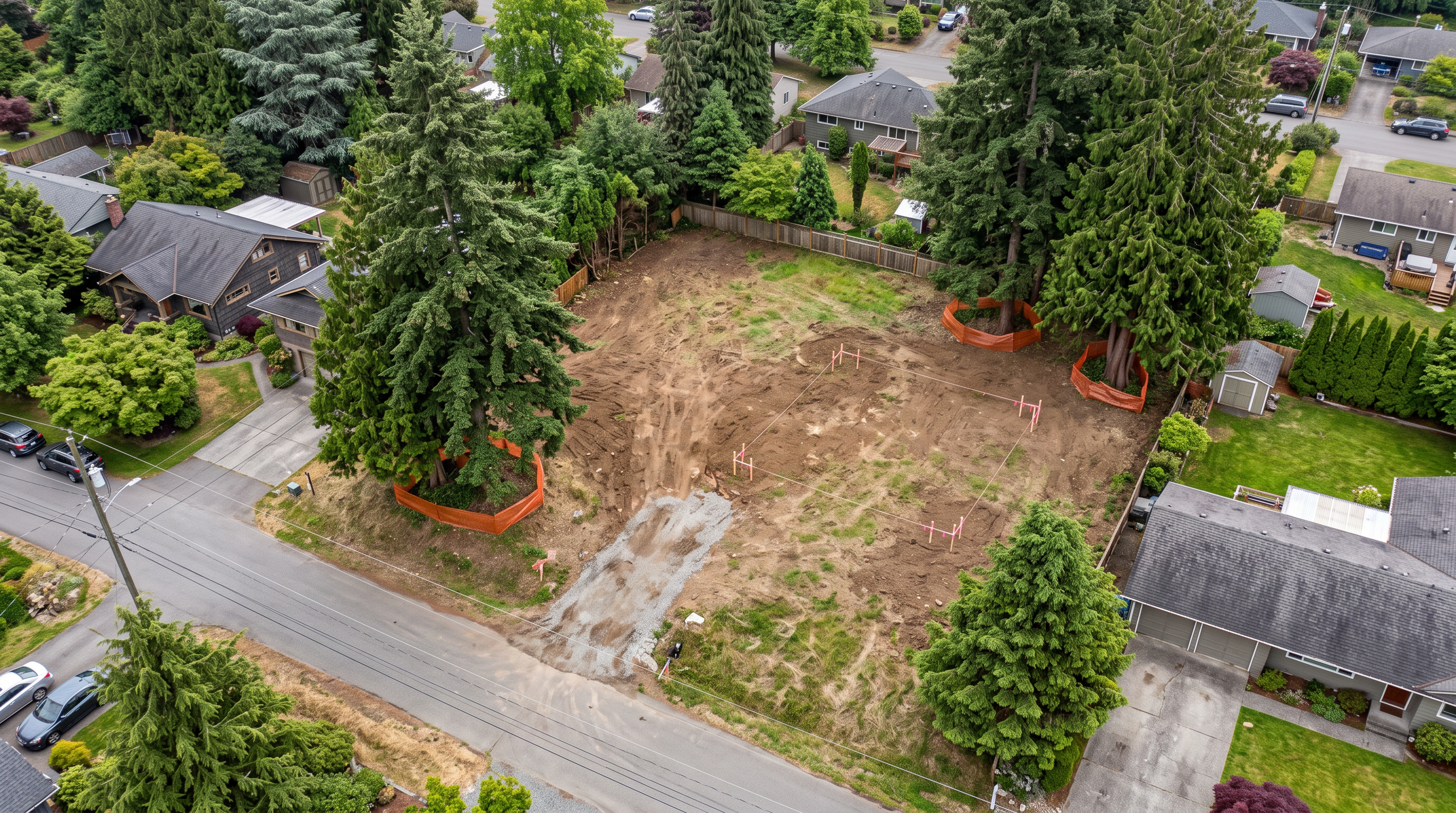
Vacant land is a property without an existing residence. Because there is no house to remove, you can begin planning your new home. We typically clear the lot once the permit is received and construction is set to begin, so an existing home doesn’t impede or restrict concepts or development. Keep in mind that vacant property in Bellevue is limited and may be difficult to find.
Some advantages include:
- No existing home to demolish
- More flexibility in planning the home’s placement
- No existing foundation or structure to remove
- An existing home doesn’t hinder creativity as we look at the lot’s potential
However, vacant land isn’t necessarily ready for construction. You may need to establish road access, extend utilities, clear trees, grade the property, or complete other site improvements.
It’s also important to remember that vacant does not automatically mean buildable. Zoning, environmental restrictions, easements, and other limitations can affect whether a lot can support your plans.
Buying a Teardown Property in Bellevue
A teardown is a property purchased primarily for its land and location rather than the existing home. The older house is removed to make room for a new custom residence.
Teardowns can be attractive because they often provide:
- Access to established Bellevue neighborhoods
- Existing utility connections
- Established driveway or street access
- Mature landscaping and desirable lot characteristics
- More opportunities in areas where vacant land is scarce
The tradeoff is that demolition introduces additional costs and requirements. The existing home, foundation, and potentially other improvements must be removed before construction begins.
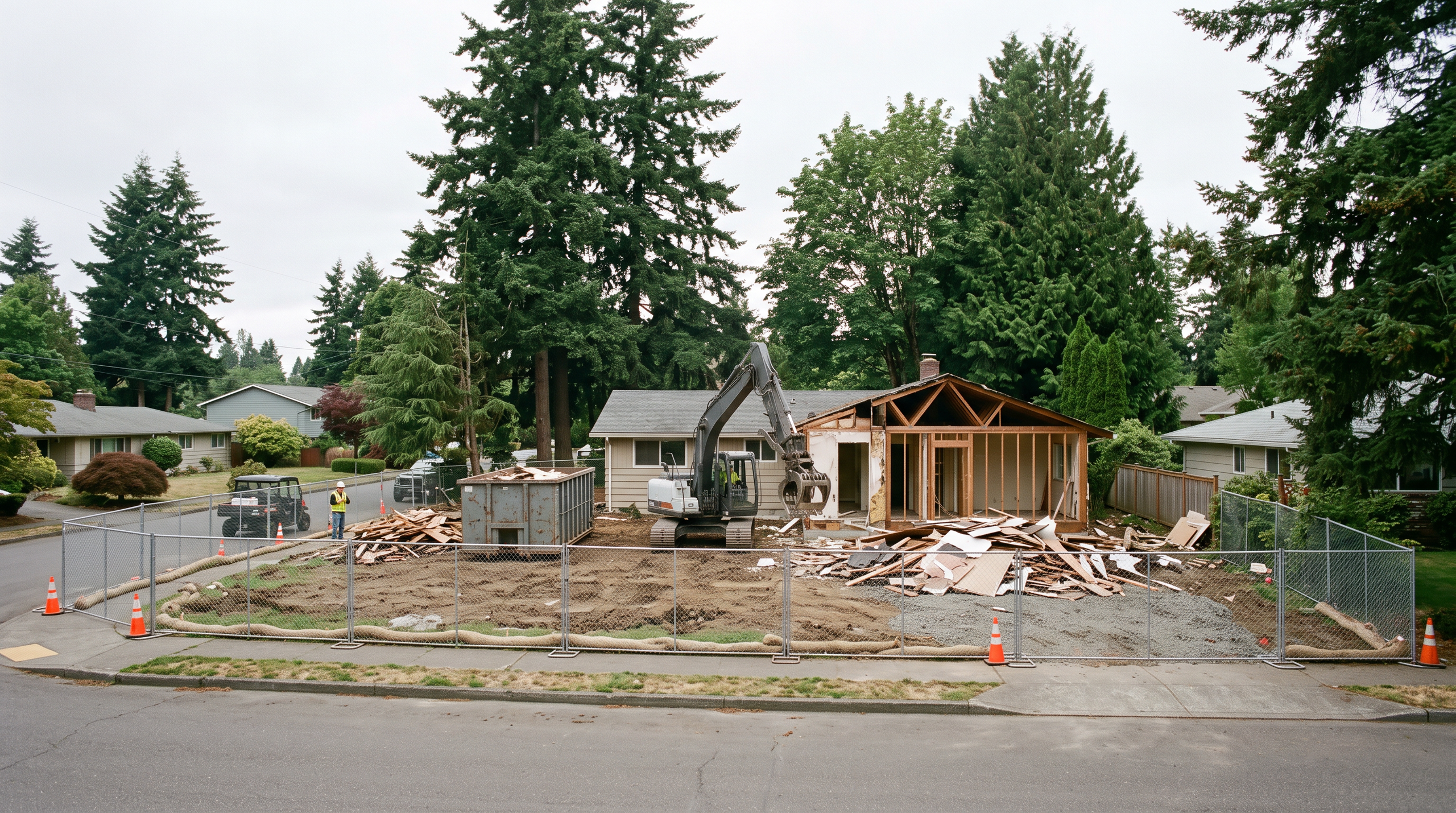
It generally only takes a few days to complete the demolition process, with the cost running between $15, 000 and $20,000, while the cost to extend utilities or add new service on a vacant lot can typically exceed $50,000.
You also need to evaluate whether the lot can support the new home you want to build. Having a house on the property doesn’t mean you can automatically replace it with a larger one.
Vacant Land vs. Teardown in Bellevue: Quick Comparison
| Factor | Vacant Land | Teardown Property |
| Availability | Limited in established neighborhoods | More opportunities |
| Demolition | Not required | Required |
| Utilities | Connections may need to be established | Often present but may need upgrades |
| Driveway and access | May need to be developed | Often already established |
| Site preparation | May require extensive clearing or grading and site work | Requires demolition and potentially site work to bring into current regulation compliance |
| Zoning requirements | Must meet current regulations | Must meet current regulations |
| Trees and critical areas | Can affect build | Can affect redevelopment |
| Best suited for | Buyers who find a well-positioned, buildable vacant lot | Buyers prioritizing location in established neighborhoods |
Neither property type is automatically better. The goal is to find a lot that can accommodate your desired home without creating unnecessary costs, design compromises, or construction challenges.
Why Are Teardowns So Common for Custom Homes in Bellevue?
Bellevue is a well-established residential market, and many desirable neighborhoods have few undeveloped properties available.
For buyers who want to build in areas such as West Bellevue, Enatai, Somerset, Bridle Trails, or Newport Hills, purchasing an older home can be a more realistic path to securing the right location.
In these neighborhoods, buyers may find properties with homes that no longer meet modern preferences but sit on desirable lots.
An older house might offer access to:
- A preferred school district
- A quiet residential street
- A larger or more private lot
- Views or favorable sun exposure
- Convenient access to shopping, employment centers, and recreation
Rather than compromising on location to find vacant land, buyers can purchase an established property and build a home that better fits their needs.
However, the value of a teardown is in the lot’s potential, not simply its address or size. Before making a purchase, it’s important to confirm that the property can accommodate your plans.
Does an Existing Home Mean a Bellevue Lot is Easier to Rebuild?
No. An existing home shows that the property has supported residential use, but it does not guarantee that a replacement home can be built at the same size, or under the same conditions.
Older homes may have been constructed under different zoning and development requirements. When you tear down a house and build a new one, your project must comply with applicable current regulations.
These requirements can affect:
- Setbacks: How far the home must be positioned from property lines
- Floor area ratio (FAR): How much floor area is allowed relative to the lot
- Lot coverage: How much of the property can be covered by structures
- Building height: How tall the home can be
- Easements: Areas reserved for access, utilities, or other rights
- Trees and critical areas: Protected features that may restrict development
For example, you might purchase an older home intending to replace it with a larger rambler. After reviewing the property, you could discover that setbacks, lot coverage, or protected trees limit the available building footprint.
A two-story design may still be possible, but the original plan could require significant changes. This is why the feasibility of a new home should be evaluated independently of the existing structure.
6 Factors to Compare Before Buying Vacant Land or a Teardown in Bellevue
The right property should support both your lifestyle and your construction budget. These six factors can help you compare your options.
1. Location and Neighborhood
Start with where you want to live. Think about your preferred neighborhood, school district, commute, privacy, views, and proximity to daily activities.
A vacant property may initially seem attractive because it doesn’t require demolition. But if it is farther from your preferred neighborhood or doesn’t offer the setting you want, those compromises could matter long after construction is complete.
Similarly, a teardown may offer the perfect location but have a narrow lot, difficult driveway access, or other limitations that affect your home design. Consider the location and the property’s physical characteristics together.
2. What You Can Actually Build
Before evaluating floor plans or architectural styles, determine what the property can accommodate. Bellevue’s zoning and development requirements can influence the size, height, footprint, and placement of your custom home.
For example, your priorities might include a single-story layout, a three-car garage, a daylight basement, or expansive outdoor living areas. Not every property will support those features in the configuration you want.
A lot that appears spacious may have limited usable building area because of setbacks, easements, slopes, trees, or other restrictions. A preliminary site evaluation can help determine whether your preferred home is realistic before you commit to purchasing the property.
3. Utilities and Site Access
Utility access can make a difference in the cost of preparing a property for construction. With vacant land, you need to determine whether water, sewer, electricity, gas, and other utilities are available and how they can be connected to the future home.
If utility lines must be extended or access needs to be developed, those improvements can add to your project budget.
A teardown may already have utility connections and an established driveway, but don’t assume everything can be reused. Existing connections may be outdated, undersized, or poorly positioned for the new home. Utility disconnections and other work will also be required during demolition.
The advantage isn’t simply having existing utilities. It’s knowing whether they can serve the home you plan to build and what modifications will be necessary.
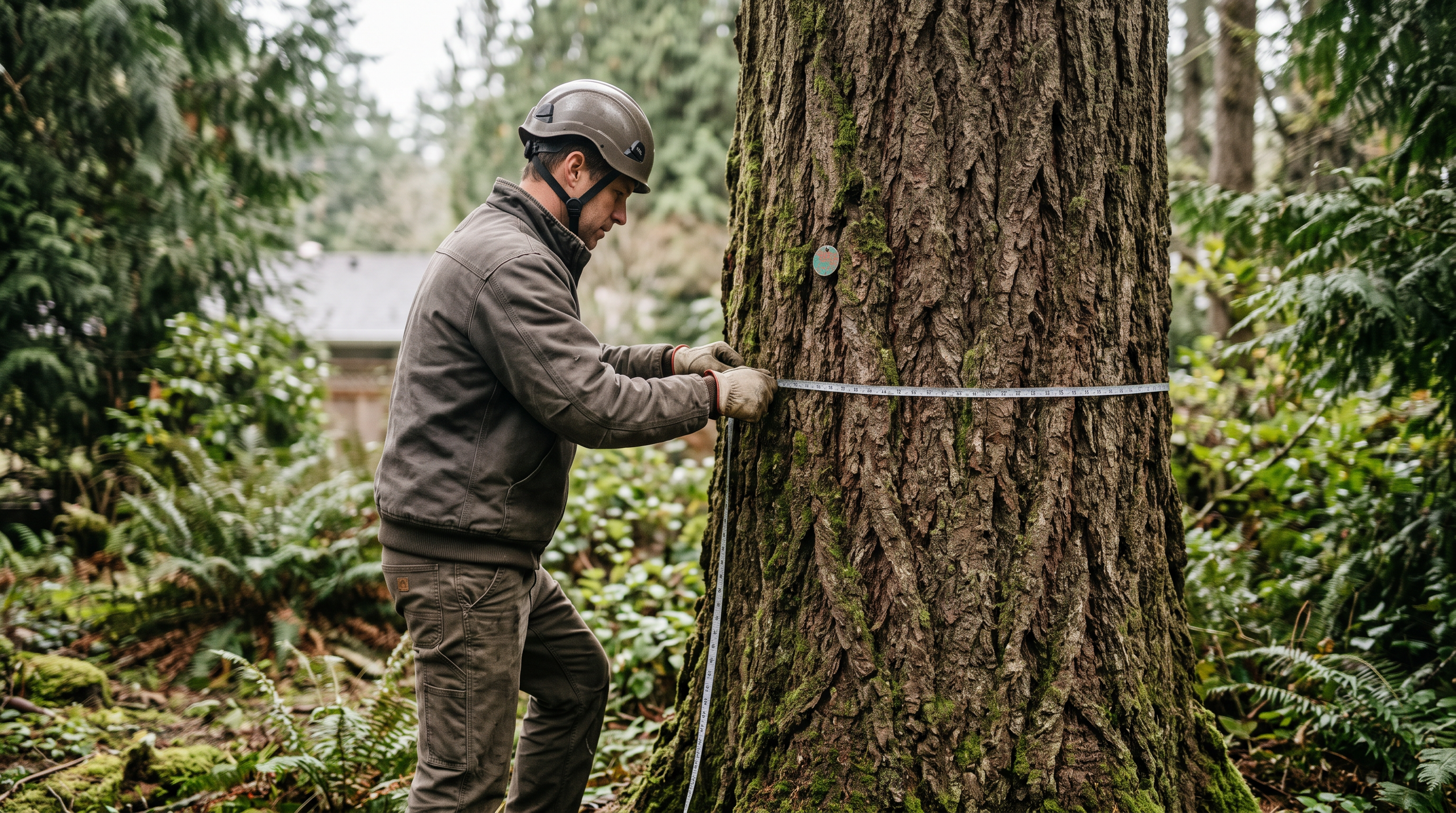
4. Trees, Slopes, and Critical Areas
Bellevue’s natural landscape is one of its attractions, but it can also influence residential development.
Properties may contain significant trees, steep slopes, wetlands, streams, or other protected areas. Depending on the conditions, these features can limit where you place a home or require additional studies and approvals.
Tree requirements deserve particular attention. Bellevue updated its tree preservation, retention, replacement, and protection regulations in 2024. Both vacant-lot development and teardown projects must account for applicable requirements.
A wooded vacant parcel, for example, may have plenty of square footage but limited space for a home after accounting for protected trees and environmental restrictions. A teardown with an established building area may offer certain advantages, but it is not automatically exempt from current regulations.
Understanding these limitations early can help you choose the right property and avoid designing a home that cannot be approved as planned.
5. Demolition and Site Preparation Costs
With a teardown, the existing home must be removed before construction can begin. Typical considerations include demolition permits, utility disconnections, structure and foundation removal, debris disposal, and any necessary hazardous-material handling.
Vacant land avoids demolition, but it may require other substantial improvements, such as clearing, grading, driveway construction, utility extensions, retaining walls, or drainage work.
Consider two properties: One is an older home on a relatively level lot with existing street access. The other is a vacant parcel with a steep slope, extensive vegetation, and utilities located farther away.
Although the vacant parcel has no demolition costs, preparing it for construction could be significantly more expensive. This is why comparing site-development requirements is more useful than comparing demolition costs alone.
6. Total Project Cost
The purchase price is only one part of your investment. To compare vacant land and a teardown accurately, you need to evaluate the total cost of acquiring and developing each property.
That includes the purchase price, demolition where required, site preparation, utilities, engineering, environmental studies, permits, and the cost of building the desired home.
An inexpensive lot can become costly if it requires major site improvements. Conversely, a teardown with a higher purchase price may be a stronger overall opportunity if the location is desirable and the property is relatively straightforward to redevelop.
The goal is to understand the complete financial picture before deciding which property offers better value.
When Is Vacant Land the Better Choice?
Vacant land can be an excellent option when you find a property that meets your location, design, and budget priorities without requiring unusually expensive site improvements.
It may be the better choice if:
- The location meets your needs.
- The lot has favorable dimensions and usable building area.
- Utilities and access are readily available.
- Site preparation is relatively straightforward.
- Tree and environmental constraints are manageable.
- The property supports your preferred home layout.
Vacant land can give you an opportunity to plan the property from the beginning, including the home’s orientation, driveway, landscaping, and outdoor living areas. However, finding an undeveloped lot with all these advantages can be challenging in Bellevue’s established neighborhoods.
When Is a Teardown the Better Choice?
A teardown may be the stronger option when location is your priority and vacant land is difficult to find in your preferred neighborhood. It may also make sense when the property already offers useful infrastructure and favorable conditions for a new home.
Look for properties with adequate lot dimensions, reasonable access, manageable demolition requirements, and a building area that supports your plans.
The existing home’s age or condition may be less important than the land itself. A dated house on the right property could offer a better long-term opportunity than a vacant lot that requires compromises in location or design.
As with vacant land, the decision should be based on feasibility and total project cost rather than assumptions about what will be easier.
What Are the Red Flags When Buying a Bellevue Teardown?
Some of the most important issues aren’t obvious during a property showing. Before purchasing an older home with plans to tear it down, watch for the following:
- Limited building area: Setbacks, easements, or protected features may restrict the size or placement of the new home.
- Significant trees: Protected trees could affect the building footprint, driveway, or construction access.
- Shared access: Shared driveways or access easements may limit how you can develop the property.
- Steep slopes or drainage concerns: These conditions may require specialized engineering or additional site improvements.
- Aging site improvements: Existing retaining walls,, or other structures may introduce unexpected removal or replacement costs.
- Utility limitations: Existing services may need upgrades or relocation.
- Property boundary issues: Encroachments or unclear boundaries may complicate redevelopment.
One common mistake is buying based on total lot square footage without understanding how much of that land can actually be used for the home.
A property with a smaller but more usable building area may be a better choice than a larger parcel with significant restrictions.
What Should You Check Before Making an Offer?
Before committing to purchase vacant land or a teardown, try to get answers to the questions that will have the greatest impact on your project.
Property and design
- What zoning and development requirements apply?
- How much usable building area is available?
- Can the lot support the size and layout of the home I want?
- Are there easements, access restrictions, or private covenants?
Site conditions
- Are there significant trees or protected environmental areas?
- Does the property’s slope create engineering or drainage challenges?
- Are property boundaries and existing improvements accurately documented?
Costs and construction
- What utility connections are available, and can they support the new home?
- What demolition or site preparation work will be necessary?
- Are there conditions that could increase permitting time or construction costs?
You may not be able to resolve every question before making an offer. However, an early review with an experienced custom home builder like JayMarc Custom Homes can identify major concerns and help determine what additional investigation is needed.
If you’re considering a property with uncertain conditions, discuss appropriate due diligence and purchase contingencies with your real estate and legal advisors.
How JayMarc Evaluates Vacant Lots and Teardown Opportunities in Bellevue
At JayMarc Custom Homes, evaluating a property begins with understanding what you want to build. A desirable lot isn’t necessarily the right lot if it can’t accommodate your preferred floor plan, garage, outdoor spaces, or budget.
Our process helps homeowners evaluate how a property’s characteristics align with their custom home goals before making major design decisions.
Start With The Home You Want To Build
We begin by discussing your preferred home size, layout, design priorities, lifestyle, and anticipated investment. This provides a starting point for evaluating whether a property is a good fit.
Review the Property’s Opportunities and Constraints
Our team helps identify factors that could affect development, including zoning requirements, setbacks, utilities, site access, slopes, trees, and environmental considerations.
For teardown properties, this includes understanding the implications of removing the existing home and preparing the site for new construction.
Complete Feasibility Before Moving Into Full Design
The feasibility process may involve a topographic survey, arborist evaluation, geotechnical review, environmental assessment, utility investigation, and preliminary site planning, depending on the property. These findings help establish what can be built, identify potential risks, and inform early budgeting and design decisions.
By evaluating the property before committing to a detailed architectural plan, homeowners can move forward with a clearer understanding of what’s possible.
So, Which Is Better in Bellevue: Vacant Land or a Teardown?
For many Bellevue custom home buyers, a teardown offers more opportunities to build in established neighborhoods where vacant land is scarce. However, a teardown isn’t automatically less expensive or easier to develop. Both property types require a careful review of zoning, site conditions, utilities, access, and total development costs.
The best choice is the property that supports your preferred location, home design, and budget with the fewest costly constraints.
Rather than choosing a lot based on whether it’s vacant or already has a house, focus on what you can realistically build there.
Start Your Bellevue Custom Home Journey With Confidence
Finding the right property is one of the most important steps in building a custom home. Whether you’re considering vacant land or an older home in Bellevue, understanding the lot’s potential before purchasing can help you make a more informed decision.
JayMarc Custom Homes brings local building experience and a coordinated preconstruction process to help homeowners evaluate properties, understand development requirements, and plan for a successful custom build.
START YOUR JOURNEY