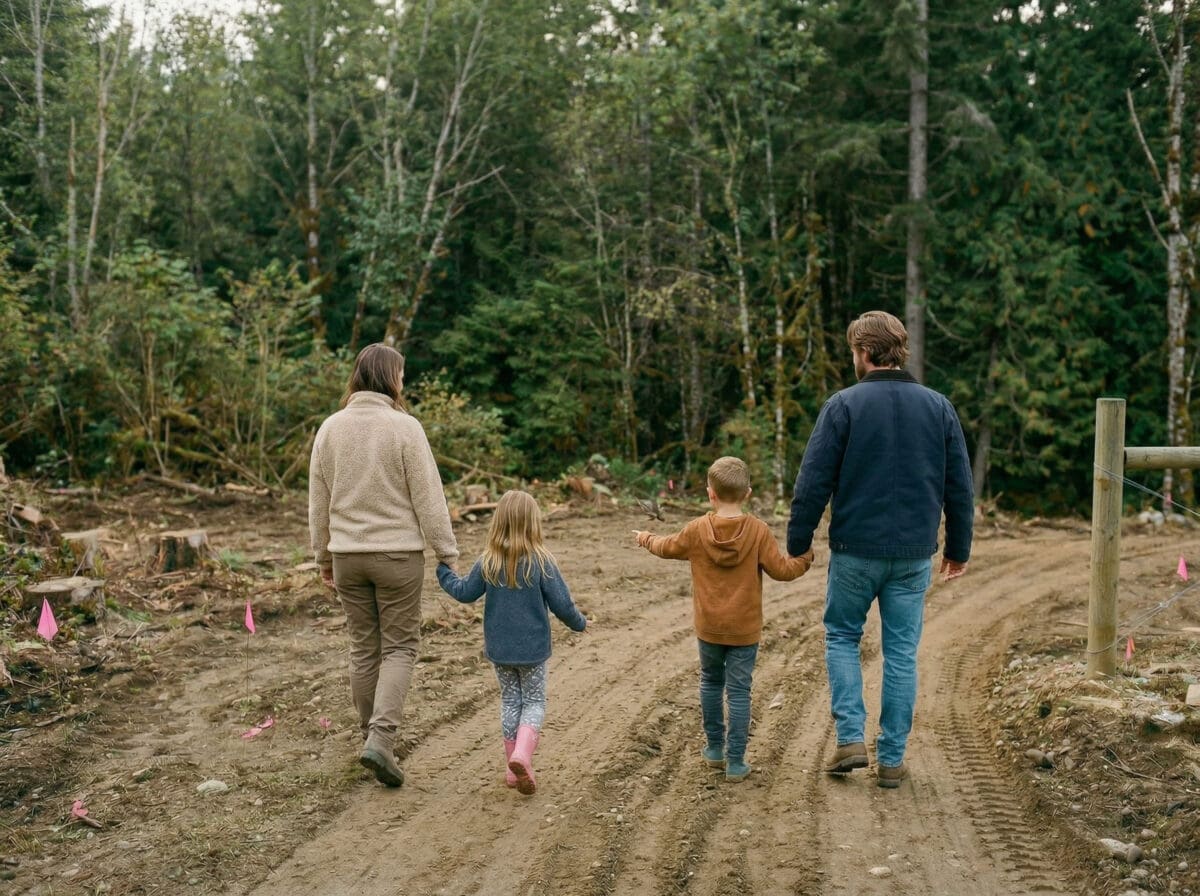
One of the most common things we hear from future homeowners is that they want to build, but they’re not quite ready. We completely understand.
Building a custom home is one of the biggest decisions you’ll ever make. It touches your finances, your lifestyle, your timeline, and your long-term plans. Of course you want to feel prepared before moving forward. That instinct is a good one.
Here’s the thing: planning early is preparing wisely. It means fully developing your site development plan, protecting time for thoughtful design, and building a realistic budget and timeline before the pressure is on. It protects your options instead of limiting them.
At JayMarc Custom Homes, we guide homeowners through the early planning process with care and intention, not prematurely, so when the time comes to build, you’re ready to move forward with clarity and confidence.
What The “Not Ready Yet” Mindset Really Means
When someone says they’re not ready, it usually means one of a few things:
- You’re unsure what the real budget looks like
- You’re waiting for more clarity in the market
- You haven’t purchased land yet
- The number of design decisions feels overwhelming
- You’re concerned about making a long-term commitment too soon
Sound familiar? These are exactly the reasons early planning exists.
Waiting without planning often increases uncertainty rather than reducing it. Market conditions and budgets shift. Zoning regulations are revised. And when you finally decide to move forward, you may find yourself making major decisions under pressure instead of with confidence.
Early planning helps remove that uncertainty, and the stress that comes with it.

What Happens When You Wait Without Planning
There’s nothing wrong with taking your time. But waiting passively can introduce risks that are entirely avoidable.
Here’s what often happens when planning is delayed:
- Budget assumptions drift from real-time costs
- Utility approvals, zoning updates, or code changes alter what’s buildable
- Financing rules and interest rates change
- Design decisions become rushed
- Your project timeline becomes tighter than expected
Many of the delays, change orders, and cost surprises homeowners experience later in construction aren’t actually construction problems. They’re symptoms of a planning process that didn’t start soon enough. When critical questions are answered too late, momentum stalls and costs increase. Early planning reduces surprises by addressing concerns before they have a chance to interfere with progress.
What Early Planning Actually Gives You (Even If You Wait to Build)
Building a custom home can take up to 24 months, and the planning phase itself can take up to a year on average. We believe in starting early so that when we do begin prepping the site and pouring concrete, the execution is as smooth and stress-free as possible.
During the planning phase with JayMarc, we focus on building clarity in every critical area, including:
- Preliminary site development strategy
- Red Flag Reviews and early feasibility insights
- Early budget modeling and cost ranges
- Design exploration and lifestyle alignment
- Jurisdiction and permitting research
- Utility coordination
The preconstruction phase gives you the space to explore possibilities without the pressure of immediacy. There are also natural checkpoints along the way where you can slow down or take a break if life calls for it. Even if you decide to pause before breaking ground, you walk away with meaningful advantages.
Early action equips you to make smarter, more confident decisions when the timing is right for you.
Financial Clarity Without Commitment
One of the most significant benefits of early planning is financial clarity, and it’s one families consistently tell us they wish they’d had sooner.
Planning provides high-level budget ranges based on current market conditions instead of guesstimates. With that, you gain:
- Insight into how site conditions influence overall project costs
- A realistic picture of development and construction costs as a whole
- The ability to adequately plan for savings, financing, or timing
- Protection from budget shock later in the process
These projections are grounded in real-world data, actual numbers pulled from recent comparables, and JayMarc’s firsthand experience gained from building more than 300 homes across Seattle’s Eastside. This isn’t a ballpark figure pulled from thin air. It’s a real foundation to build your plans on.
Site & Land Readiness (Even If You Haven’t Purchased Yet)
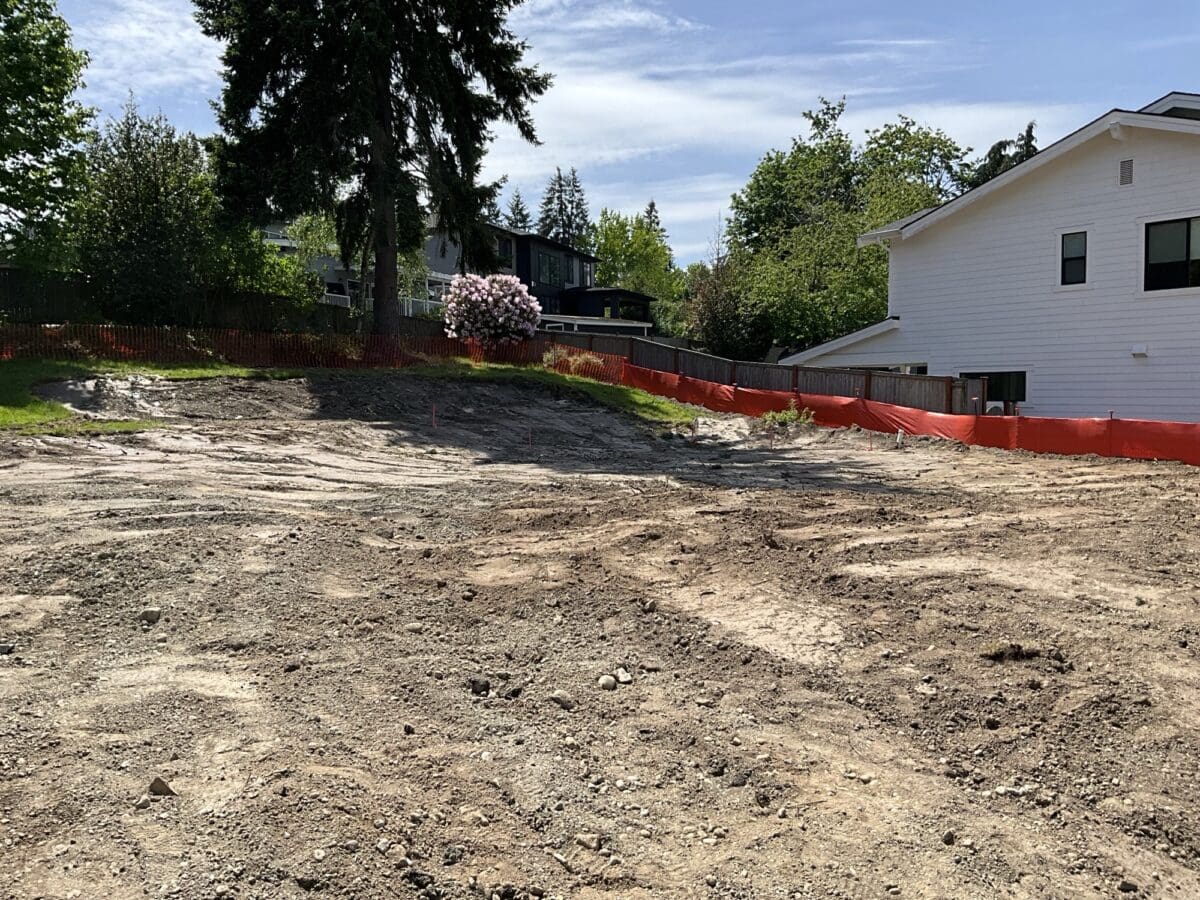
A lot can look perfect and still hide costly challenges.
Through Red Flag Reviews and early feasibility insights, JayMarc helps you evaluate:
- Zoning classifications and setback requirements
- Slope and soil considerations
- Utility access and infrastructure availability
- Environmental constraints or tree retention requirements
With planning, you’ll gain a clearer understanding of how a lot’s physical and regulatory conditions directly impact overall development costs.
This isn’t a full feasibility study yet, but it provides enough insight to help you avoid purchasing a property that may require expensive redesigns, unexpected site work, or major budget adjustments down the road.
Knowledge at this stage protects your investment before you make a commitment.
Design Confidence, Not Design Pressure
Thoughtful design takes time. (And the families who give it that time are always glad they did.)
Planning while you wait allows you to:
- Design your home to match how you actually live
- Refine layout priorities
- Explore architectural direction without urgency
- Avoid late-stage alterations that disrupt timelines
When design decisions are rushed, change orders often follow. But when design is given adequate time upfront, construction flows more smoothly. It really is that straightforward.
Timeline Control
Permitting and jurisdictional processes vary widely across the Eastside. Some approvals move quickly. Others require months of review, some even taking up to a year.
Early planning provides:
- Adequate time to secure proper permits
- Awareness of jurisdiction-specific nuances
- Built-in flexibility for unexpected conditions
- Space to adjust without urgency or reactive decisions
Why Early Planning Often Saves More Than Waiting Ever Will
Market conditions shift. Labor availability tightens. Regulations evolve. Financing standards adjust. None of these factors stays still just because you’re still in the “thinking about it” stage. Planning means positioning yourself wisely before those variables change on you.
Waiting often creates duplication. Designs must be revisited. Budgets recalculated. Assumptions adjusted to new market conditions. What could have been refined thoughtfully ends up being reworked in a hurry.
When you plan early:
- You make design decisions before time pressure dictates them
- You identify site costs before they disrupt your budget
- You align expectations before construction magnifies them
- You create flexibility instead of reacting to constraints
How JayMarc Helps Clients Prepare Without Pressure
JayMarc approaches early planning as a strategic partnership, not a sales process. Here’s what that looks like in practice.
Discovery & Red Flag Review We begin by evaluating your lot (or potential lot) through a structured Discovery phase. This provides early insight into zoning, setbacks, slopes, utilities, and other constraints that shape feasibility.
Feasibility Insights This phase is the foundation for the entire project. Taking the time to properly evaluate and manage site development costs lays the groundwork for thoughtful design and accurate budgeting. When we understand the land first, we build the rest of the project on solid footing.
Early Assumptions & Estimates Our early cost modeling is informed by decades of experience building homes across the Eastside. We understand luxury expectations, local regulations, and where value matters most. This allows us to provide realistic, evolving budget guidance without rushing into construction agreements.
Design-Build Alignment Working directly with our architectural designer allows you to fully communicate your vision, review options, and make thoughtful adjustments without pressure, and it significantly reduces miscommunication. This unified design-build model keeps your design, budget, and build strategy aligned from the start.
Local Jurisdiction Expertise Permitting nuance matters. Each Eastside city operates differently. With a long history of local experience, JayMarc understands and anticipates regulatory challenges before they become delays.
You Don’t Need Perfect Timing. You Need Clarity.
Here’s what we’ve learned after building more than 300 homes: the families who feel most confident throughout the process aren’t the ones who waited until everything felt certain. They’re the ones who started planning while the questions were still open.
Early planning is empowerment, not acceleration. It gives you control over your budget, your timeline, and your design without committing to immediate construction. It means that when you are ready to build, you’re not starting from zero. You’re building on a foundation you’ve already laid, thoughtfully and on your own terms.
If you’re interested but “not quite ready,” that’s exactly when planning makes the most sense. And we’re here to guide you through every step of what comes next.
Start Your JourneyFAQs
When should I start planning a custom home? Ideally, planning should begin 12–24 months before you’d like to start construction. This provides adequate time for feasibility, design refinement, budgeting, and permitting preparation.
Can I start planning before I purchase land? Yes. In fact, early planning and Red Flag Reviews can help you evaluate lots more confidently before you commit to buying.
Does planning mean I’m committed to building immediately? No. Planning creates clarity and flexibility. Construction only begins once you decide to move forward.
How long does the planning phase take? The Discovery, Design, and Define phases can take six to twelve months, depending on site complexity and design refinement. This intentional pacing reduces delays during actual construction.
Is early planning worth it in an uncertain market? Yes. Planning reduces exposure to uncertainty by giving you realistic cost ranges, site clarity, and timeline awareness before you commit to building.