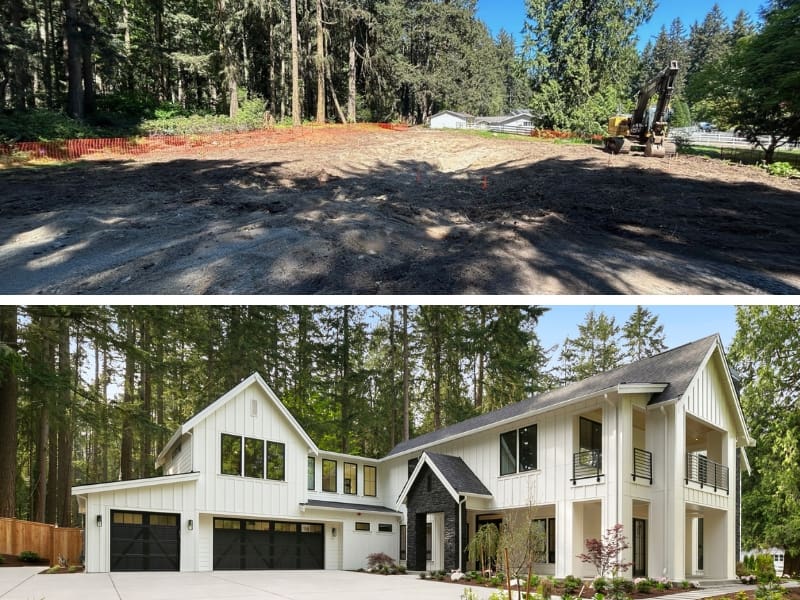
Most custom home delays, budget overruns, rushed decisions, and mid-build changes aren’t construction problems. They’re planning problems. Sound familiar? When the early stages of a project are rushed or incomplete, the consequences are often felt later through redesigns, unexpected costs, or stalled progress.
We get it. You’ve purchased your dream lot, you’re excited about building, and you want to break ground yesterday. But here’s what we’ve learned from building 300+ homes: rushing the early stages almost always costs you more time and money later.
At JayMarc Custom Homes, we use a detailed preconstruction process to prevent these issues long before construction begins. By focusing heavily on feasibility, design, and planning, our team creates clarity around budget, timeline, and what the lot can truly support, making the build phase smoother, faster, and more predictable.
This upfront investment in preconstruction planning is what sets us apart. From our Red Flag Review and feasibility studies to architectural design and selection decisions, our Discovery, Design, and Define phases do the heavy lifting that protects your investment through the entire custom construction journey.
Why Preconstruction Matters
Preconstruction is the foundation for your entire custom home project. Everything that happens during the build depends on what gets finalized before breaking ground. When plans, selections, and site conditions aren’t clearly defined, the build phase becomes reactive.
Construction only goes smoothly when every major decision is made ahead of time, including home design, selections, permits, engineering, utilities, and site preparation. Rushing or skipping even one of these steps is a primary cause of change orders and delays in custom homebuilding.
We focus on these specific areas because they’re where we see the most problems when they’re overlooked:
- Identifying hidden conditions during feasibility, such as slope, setbacks, trees, drainage, and utilities
- Setting a clear budget through early and frequent estimates instead of waiting until the end of design
- Early identification of risks that could affect what, where, and how you build
- Matching your vision with real jurisdictional and site requirements
- Finalizing selections early to avoid delays, reorders, and stock issues
Most issues that surprise homeowners mid-build come from incomplete preconstruction planning. At JayMarc, our solution is to slow down early so the build can go quickly later, unimpeded by issues that could have been prevented ahead of time.
The JayMarc Preconstruction Process
At JayMarc, we invest months upfront, so homeowners save months later. Our preconstruction journey centers around three major stages: Discovery, Design, and Define. Each stage builds the clarity, confidence, and cost accuracy homeowners need before construction begins.
Step 1: Discovery – Feasibility, Research, and Budget Alignment
This phase exists to eliminate surprises.
During the Discovery phase, our team evaluates your lot, analyzes buildability, and conducts feasibility studies so you understand exactly what is possible on your land. This includes everything from zoning to utilities to site constraints. The Feasibility Team, led by our Preconstruction Project Manager and Permit Manager, walks the site, orders reports, and identifies challenges early.
What’s included in the Discovery phase:
- Red Flag Review for early insight into zoning, setbacks, slopes, and restrictions
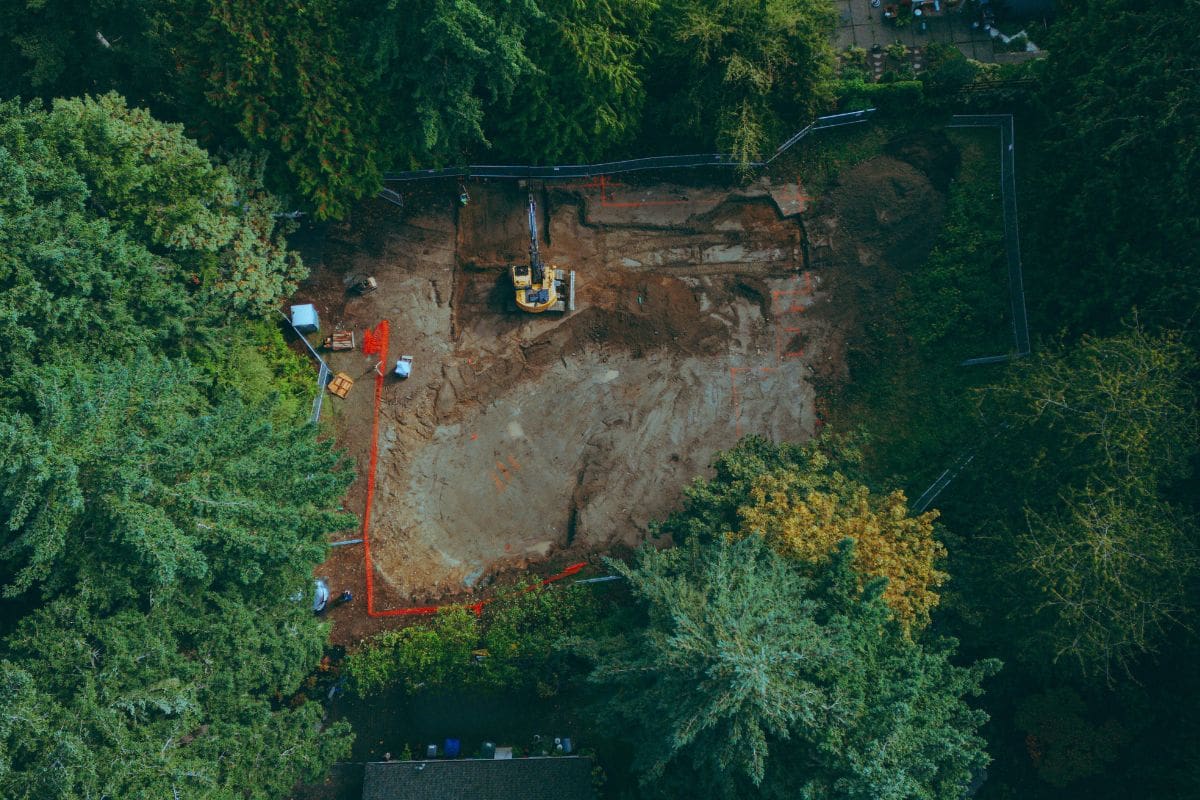
- Lot walk and preliminary site review
- Understanding what the lot can actually support before choosing or designing a plan
- Early budget ranges based on actual site conditions and current market pricing
The findings from the Discovery phase help clarify both potential and limitations, providing important visibility that many homeowners don’t have when they first purchase a property. (And trust us, it’s much better to know about that steep slope or setback requirement before you’ve invested in full architectural plans.) By identifying risks up front, homeowners can better understand how the lot affects budget and design before investing in architectural plans or committing to a construction agreement.
Full feasibility studies, including surveys, arborist reports, geotechnical testing, environmental reviews, utility assessments, and early drainage considerations, are conducted once contracts are signed.
Discovery is also where financial clarity begins. At JayMarc, we update estimates early and often, using real-time data, including pricing intel from ongoing projects and trusted vendors, to anticipate the real cost implications of your design so you understand your design choices and site challenges.
Step 2: Design – Making Design and Finish Decisions Early
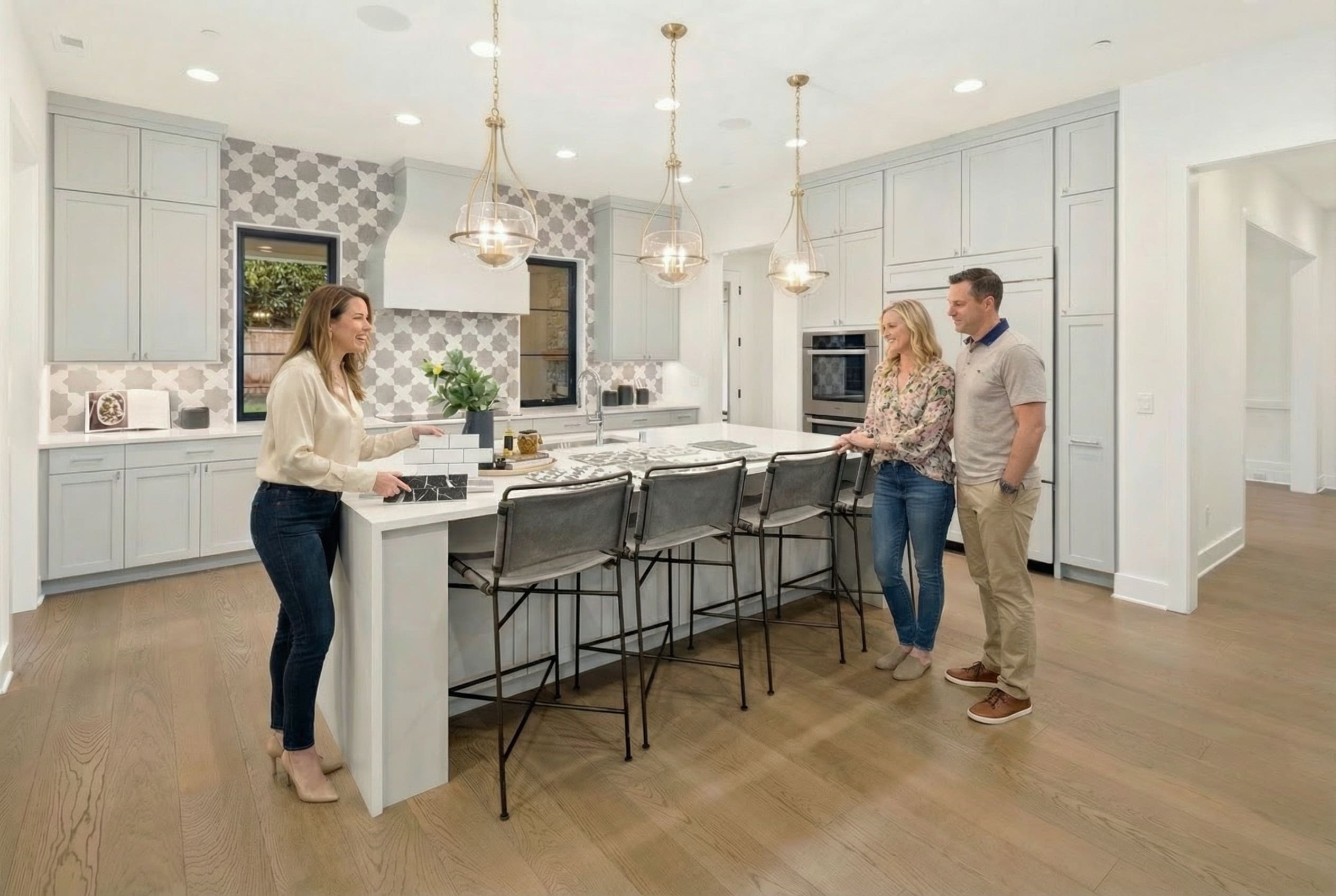
Once feasibility is complete, the next phase is Architectural and Interior Design. This is where early decisions prevent future delays, budget surprises, and mid-build changes that often occur when selections are made too late.
At JayMarc, design is proactive and budget-driven. The architectural manager and in-house design team collaborate to ensure your home is beautiful, functional, and aligned with all feasibility findings and city requirements.
Home design is the creative, fun, and engaging part of the custom home process. You’ll meet with our seasoned team of professionals who develop the site plan and bring your vision to life through architectural and interior design.
Our team collaborates to determine the best features of your property and site. For example, we may take drone photos from the height of a second story to determine whether there are views. Or, maximizing the southwestern windows for natural light.
We keep your budget and long-term value top of mind as we guide you in choosing a path that fits your needs.
We have a full library of plans that may fit on your lot, from which you can choose to build as drawn or use as a reference point for your design.
Or you can choose a completely custom home by working with our architectural designer to create something unique to your family. Together, you’ll determine priorities, spaces, and details you want included. Once concepts are done, you’ll meet to review, discuss, and refine. Over a series of meetings, the plans get fleshed out, and we can move to details, construction drawings, and engineering in preparation for permit submittal.
Once you’re ready to sign off on the floorplan, you meet with our interior designer, who walks you through the gauntlet of decisions and details needed for construction and budgeting. (Yes, it’s a lot of decisions. But we’ll help you make each one with confidence.) We want those finishes and products decided so that our budget reflects YOUR home’s interiors, not allowances or assumptions. We design within your budget and keep you informed of choices and their impact on it throughout the process.
To summarize, this phase includes:
- Creating a floor plan based on your lifestyle, lot requirements, and feasibility findings
- Architectural drawings, elevations, and working drawings
- Interior design decisions, including finishes, materials, lighting, plumbing, cabinetry, appliances, millwork, and exterior elements
- Finalizing all selections before bidding
- Updating cost estimates to maintain budget alignment and avoid vague allowances
Here’s something important to know: choosing materials early prevents “upgrade creep,” material delays, and stock issues that occur when selections aren’t finalized before framing. Our designers also guide you through cost-smart choices, using finishes comparable to our for-sale homes as a realistic budget reference.
The result is a fully coordinated design package ready for accurate bidding.
Step 3: Define – Engineering, Permitting, Bidding & Final Budget Approval
The next phase includes engineering, permitting, collecting bids from trusted vendors, and final budget compilation. This is where everything becomes official, documented, and ready for construction.
The permitting process in the areas where we build can vary by municipality. Time frames range from four to twelve months. Our designated permit coordinator is tracking it through the system, answering questions as needed, and applying gentle pressure to move it along.
By maintaining consistent trade partnerships over the last decade, we trust them to provide competitive pricing in proposals for work/materials for your home. Our purchasing manager negotiates, asks questions, makes suggestions, and compiles all the numbers and details into a comprehensive budget. You’ll sit with our team to review, make final decisions on how your money is allocated, and value-engineer any remaining material choices. That budget becomes an attachment to your construction contract and can be used to finalize your financing.
Our Define stage eliminates guesswork by accounting for every detail before you sign your Construction Agreement.
This includes:
- Structural engineering and technical drawings
- Civil engineering for drainage, grading, and site plans
- HVAC, mechanical, plumbing, and electrical planning and reviews
- Permit preparation and submission to the local jurisdiction
- Trade partner bidding using your final selections and plans
- Value engineering to refine costs or explore alternatives if needed
- Final budget review with accurate, subcontractor-backed numbers
How Preconstruction Saves You Time
Preconstruction dramatically reduces time lost during construction by eliminating common causes of delay:
- Avoids redesigns when a lot won’t support the original plan (this is common when feasibility is skipped)
- Prevents stalled construction while homeowners make mid-project decisions or selections
- Reduces delays related to product availability when materials aren’t ordered ahead of time
- Cuts back on rework and change orders caused by incomplete planning
- Permits submitted with full, correct documentation, reducing revision cycles
- Construction start and completion dates are set with confidence because all decisions are finalized
Our construction starts with a planning discussion among the designers, project managers, and field managers to identify and resolve questions before breaking ground, minimizing incomplete or unexpected information that could delay the project.
Our Development and Construction teams maintain momentum with weekly updates, consistent scheduling, and proactive management to keep your custom home timeline on track.
This is the difference between a reactive build and a predictable build.
How Preconstruction Saves You Money
Skipping or rushing through preconstruction or design often leads to budget shock…a common mistake for first-time custom homeowners.
Every hour spent planning saves time and money during construction. If we need to stop progress to get something vetted or delivered, there is urgency. And urgency always comes at a cost. Thorough planning and contracting with vendors at the very beginning makes it more likely that we can avoid price increases, proactively make any needed reselections, and communicate effectively with trade partners when they are on-site for their work.
An efficient preconstruction phase protects your budget by:
- Providing accurate cost estimates early
- Identifying site issues upfront so they’re accounted for in your budget
- Locking in selections early so material delays and changes don’t impact cost or schedule
- Sending complete construction documents to subcontractors so bids reflect real numbers, not guesses
- Locking subcontractor pricing once the Construction Agreement is signed to minimize unexpected price increases
How Preconstruction Reduces Stress
Custom homebuilding can be stressful, but stress comes from uncertainty, not the process itself. With us, you can relax and enjoy the journey after the groundbreaking, knowing the most critical decisions have already been made.
Our Preconstruction Process reduces stress by giving homeowners clarity about:
- What will be built: You’ll receive the complete design and details
- What it will cost: Your budget will be finalized and transparent with real numbers
- What the timeline will be: Including permits, construction phases, and realistic expectations
- What risks exist and how they’ll be mitigated: Including site conditions, drainage, and utilities
- Who is responsible for each stage: We’ll introduce you to the entire JayMarc project team early in the process
When you work with us, you’ll receive white-glove service, weekly updates, and multiple specialists to manage your experience. Our team-based approach includes Project Managers, Field Managers, a Resource Planning Manager, permitting experts, design specialists, and our feasibility team.
When everything is managed by a unified design-build team and decisions are made early, you’ll feel confident and in control.
Why JayMarc Custom Homes Invests in Preconstruction
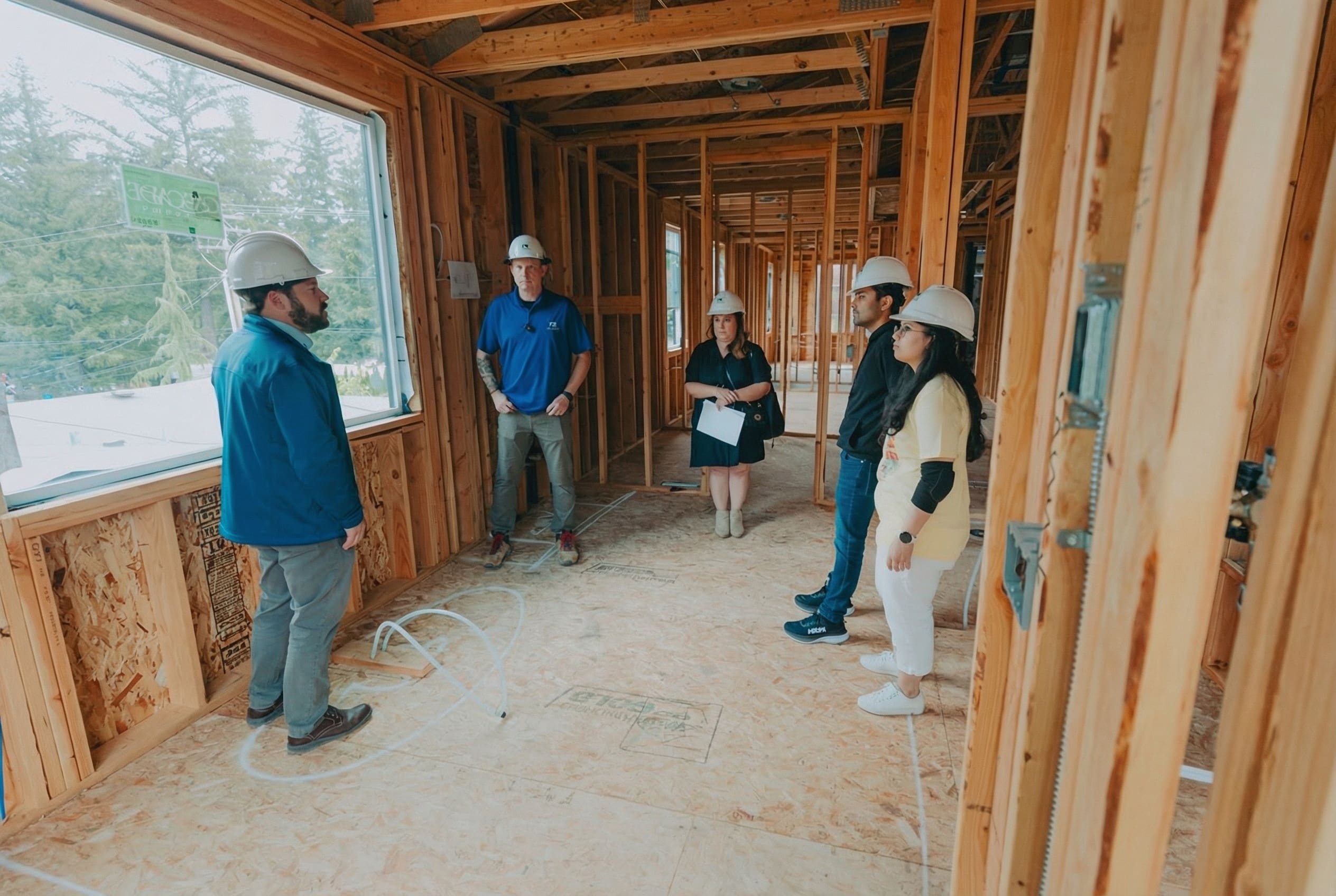
Our design-build model, in-house teams, and proven process create a seamless, aligned experience. At JayMarc, preconstruction isn’t just a phase…it’s the backbone of how our team delivers high-quality custom homes on time and on budget.
We believe in investing so heavily in preconstruction because:
- Most construction issues trace back to poor or late planning
- Feasibility protects homeowners from costly mistakes
- Design decisions define the budget and the livability of the home
- Unified architecture, design, engineering, and construction teams reduce miscommunication and maintain consistent goals throughout
- Homeowners benefit from transparency and expertise at every step
Our process has been shaped by building more than 300 homes in the greater Seattle area, learning something new from each project, and decades of combined industry experience.
Our learned wisdom, gained from every project, every challenge, every lesson, makes your custom home journey easier, more informed, and well-planned. The relationships we’ve built with our clients over the course of their projects? Those are truly what we’re most proud of.
At JayMarc Custom Homes, our preconstruction phase is a customer-first commitment, ensuring our clients have a positive custom homebuilding experience that is exciting, informed, and aligned with their goals.
Our home delivery process, included in the last 60 days of your build, continues the expert guidance from our team as you prepare to occupy your new home, move in, experience it for the first time, and live in the spaces you worked so hard to envision and create. The warranty program we offer is incomparable as your home is used and lived in during the first year.
Start Your Custom Home Journey with Confidence
Ready to start your custom home journey? Schedule your consultation today and see how our proven preconstruction process helps you build with clarity, confidence, and complete peace of mind.
Start Your Journey