
Building a custom home is exciting, but construction delays can be frustrating, and many homeowners worry their project will fall behind schedule. The good news is that many custom home construction delays are predictable and, with the right builder and planning process, most can be completely avoided.
With more than 300 homes built in Washington State, JayMarc Custom Homes has experienced every type of slowdown and has developed a proven process to prevent them. In this guide, we break down five of the most common causes of delays in custom home projects and what homeowners can do to stay ahead.
Why Custom Homes Fall Behind Schedule
Construction delays rarely happen without warning. They are often symptoms of deeper issues such as poor planning, slow decision-making, utility coordination challenges, miscommunication, or unexpected site conditions hidden beneath the surface. JayMarc’s structured, proactive approach identifies these risks before they can impact your build.
Below are common factors that affect custom builds, along with guidance on navigating them with confidence.
1. Late Decisions Kill Timelines
Late decisions create a ripple effect that can disrupt the entire construction timeline. Every design choice, from plumbing fixtures to cabinets to flooring, impacts multiple trade partners who rely on finalized selections to plan their work.
When decisions come in late, it can trigger material reorders, subcontractor rescheduling, long lead times, or a pause in progress until the decision is finalized. Even layout adjustments or finish selections can require additional coordination, pushing the schedule back.
Keeping a custom home build on time starts long before construction begins. JayMarc’s preconstruction and design process includes structured milestones, early selection timelines, and a guided design roadmap that gives homeowners clarity on every choice. Weekly communication ensures that both the homeowner and all trade partners stay aligned.
By finalizing decisions early, JayMarc eliminates unnecessary mid-build changes that can add weeks or months to a project.
2. Utility Coordination: One of the Most Common (and Overlooked) Delays
Utility coordination is one of the biggest sources of schedule delays because utility companies operate on their own timelines. Inspection wait times, trenching requirements, connection backlogs, or incomplete site readiness can all prevent construction from moving forward.
Because utilities such as power, water, sewer, and gas must be installed and approved in a specific sequence, even a small scheduling issue can delay construction until the utility work is complete.
Planning for utilities should begin as early as possible. This includes verifying utility access, finalizing contracts and billing, preparing the site, and understanding city-specific requirements. Missing or late documentation can easily delay progress for weeks.
JayMarc Homes begins utility coordination during the Feasibility and Discovery phases. Utility access is verified early, and required documentation is completed well before the build begins. During preconstruction, our team manages these steps so homeowners are not left waiting for external providers.

3. Why Change Orders Create Timeline Setbacks
Change orders are one of the most common causes of construction delays, often requiring new permits, updated engineering, revised material orders, and resequencing of trade partners. Even small changes can trigger documentation, bidding, and procurement tasks that pause progress.
Any change after the permit is approved may require a permit revision, adding processing time and potentially bringing construction to a standstill until approvals are complete.
Through detailed preconstruction planning, collaborative design meetings, 3D visualizations, and early, guided selections, JayMarc Custom Homes reduces the need for mid-build changes. A digital homeowner portal provides transparency so decisions are made once and made confidently.
4. Communication & Collaboration Gaps
Miscommunication is one of the fastest ways to stall a custom home project, and a preventable source of construction delays. Unclear direction, misaligned expectations, or delayed responses can cause rework, trade confusion, and scheduling gaps that slow progress.
Common communication-related issues include unclear specifications, missed messages, slow responses, undefined expectations, and sequencing errors among trade partners.
JayMarc Custom Homes uses collaborative communication that keeps everyone on the same page. A Field Manager oversees on-site progress. A Project Manager serves as the homeowner’s main point of contact. A Resource Planning Manager coordinates trade schedules to prevent conflicts. Weekly check-ins and the digital portal ensure transparency and predictability throughout the project, and keep homeowners informed.
A builder who communicates clearly, consistently, and proactively is essential to avoiding delays.
5. Unforeseen Site Conditions
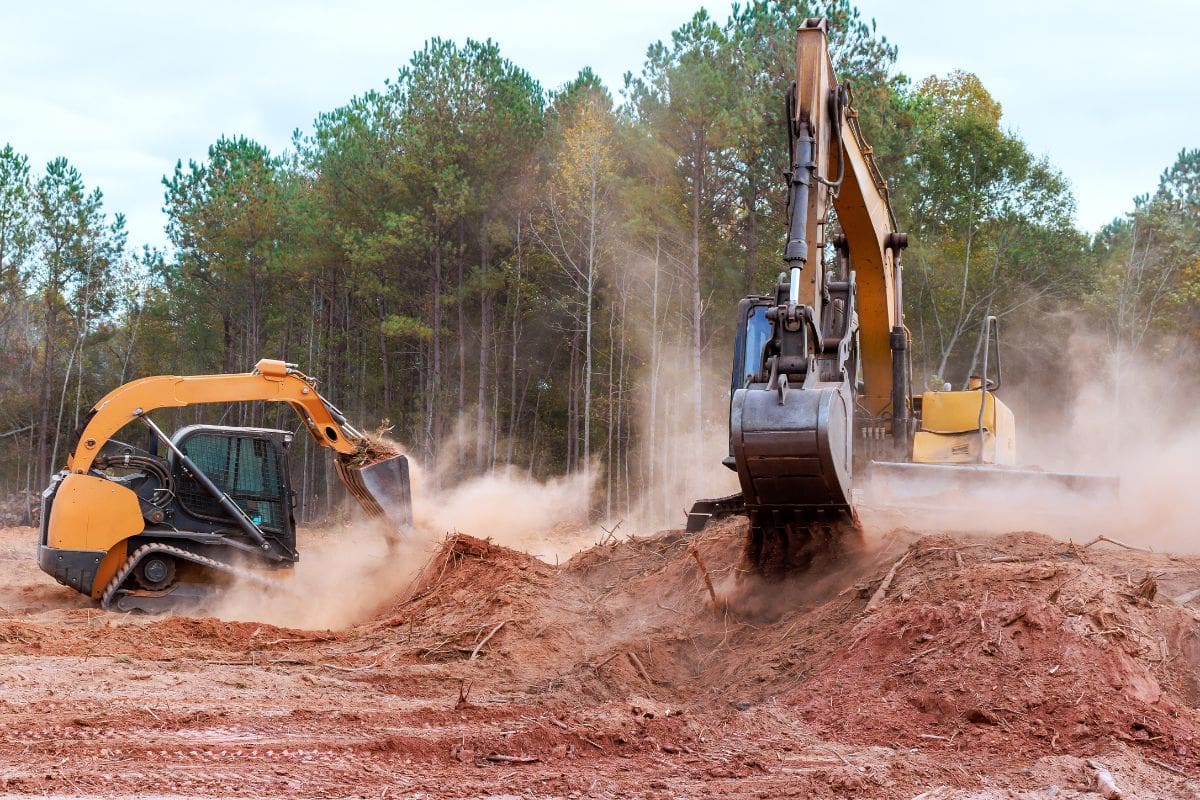
Unexpected issues beneath the surface, like soil instability, slope or drainage problems, protected trees, wetlands, easements, or environmental constraints, can cause major setbacks if discovered too late.
Common site-related slowdowns include groundwater concerns, drainage requirements, slope reinforcement, tree protection regulations, and utility line conflicts.
A thorough feasibility process identifies potential risks upfront. Elements like geotechnical testing, environmental evaluations, topographic surveys, zoning analysis, and utility verification help prevent mid-build surprises. JayMarc’s Red Flag Review, followed by a full formal Feasibility Study, ensures homeowners understand site conditions long before construction begins, reducing costly delays later.
How JayMarc’s Proven Process Keeps Your Project Moving Forward
Many builders rush into construction before the details are fully defined, which increases the potential for delays. JayMarc takes the opposite approach. Our proven process emphasizes clarity, alignment, and early decision-making.
By identifying risks upfront, confirming expectations, and establishing predictable timelines before breaking ground, JayMarc reduces uncertainty, minimizes change orders, and ensures smoother coordination with trade partners. Through proactive planning, transparent budgets, advanced communication tools, and a multi-layered project oversight team, JayMarc Homes keeps your build on track from the moment you sign to the day you move in.
Start Your Custom Home Journey With Confidence
Building a custom home doesn’t have to feel uncertain or reactive. With the right planning, most delays can be anticipated and avoided altogether. JayMarc’s proven approach prioritizes early clarity, informed decision-making, and proactive coordination so your home stays on track long before construction begins.
When the process is clear, the journey feels calmer, and the outcome more rewarding.
Start Your JourneyCommon FAQs About Custom Home Project Delays
What causes the biggest delays in custom home construction?
Custom home delays are usually caused by late decisions, incomplete planning, utility coordination issues, change orders, miscommunication, or unexpected site conditions. JayMarc minimizes these risks with proactive planning.
How can I reduce the chance of delays before construction starts?
Make selections early, finalize your design before custom home construction begins, complete a full feasibility study, and work with a builder who prioritizes clear communication and proactive planning.
Can unforeseen site conditions be prevented?
Most custom home project problems can be identified early through feasibility studies, surveys, geotechnical evaluations, and utility assessments long before they affect construction.
How do material shortages or long lead times impact custom home schedules?
Delays in procuring specialty items can push back entire construction phases. Early material selections and clear planning reduce this risk.
Can permitting delays slow down my custom home project?
Yes. Permits vary by jurisdiction and can take months to obtain. Submitting complete, accurate plans early helps prevent backlogs or resubmittals.
Do design changes slow down custom home projects?
Yes. Many changes require re-engineering, new materials, trade resequencing, or permit revisions. Early, comprehensive design work minimizes these delays.
Can weather cause custom home delays?
Weather—especially in the Pacific Northwest—can impact excavation, foundation work, and framing. JayMarc builds realistic schedules that account for seasonal patterns.
How do you avoid delays with inspections during construction?
Coordinated scheduling, complete workmanship, and clear communication with inspectors help prevent failed or delayed inspections.