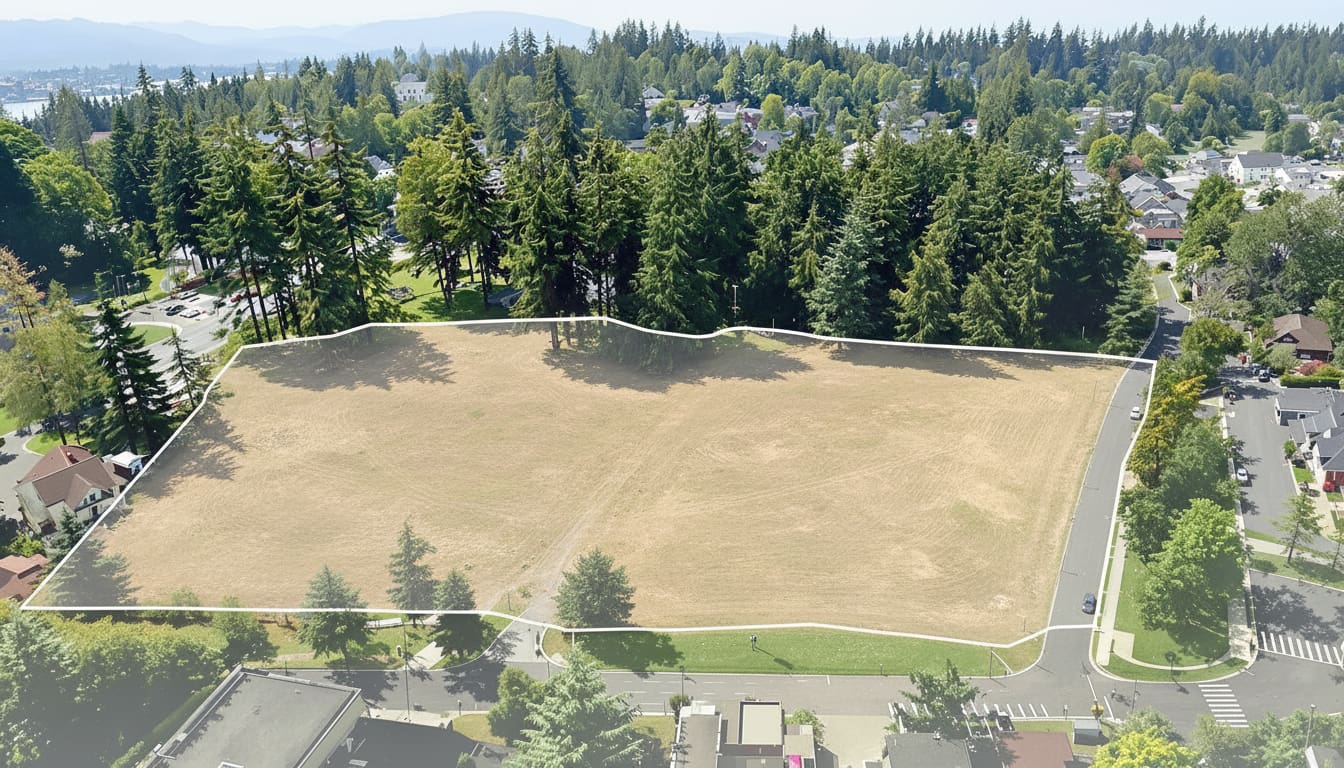
When you’re planning to build your custom dream home, you might look at your land and visualize the finished product. You’ve chosen land in a great location, it’s just the right size, and may even have a beautiful view. But what you aren’t visualizing could cost you thousands of dollars down the road. That’s where a custom home feasibility study comes in.
A feasibility study is a critical step in protecting your investment to confirm that your chosen property can support the home you envision. At JayMarc Custom Homes, feasibility isn’t just a box to check. It’s a dedicated phase led by an expert team that evaluates every detail before you commit.
What is a Feasibility Study and Why Is It Important?
A feasibility study is a detailed analysis that evaluates whether the land you have selected to build a home on is suitable for your custom design plans. It looks at:
- Site conditions (topography, soil, slope, drainage)
- Zoning laws, setbacks, and building restrictions
- Utility access and potential extension costs
- Environmental considerations such as wetlands or tree retention
The goal of a feasibility study is to uncover hidden risks and confirm that your lot can accommodate your custom home. While not mandatory or legally required, a feasibility study is highly recommended, especially when buying new land. It protects buyers during the contingency period, prevents surprises, and ensures your project starts on solid ground.
Here is a step-by-step breakdown of the feasibility study process:
Step 1: Site Evaluation & Lot Analysis
The first step is understanding the physical characteristics of the lot to determine that it is buildable. A thorough site evaluation will protect you from potentially facing thousands of dollars in unexpected expenses. The feasibility study will look at:
- Geological Hazards: Unstable soils, steep slopes, or land that requires significant retaining walls can lead to structural challenges, which drives up costs for excavation, engineering, and foundation work. Early soils testing and geotechnical engineering will identify stability issues and help us design proper foundations before construction begins.
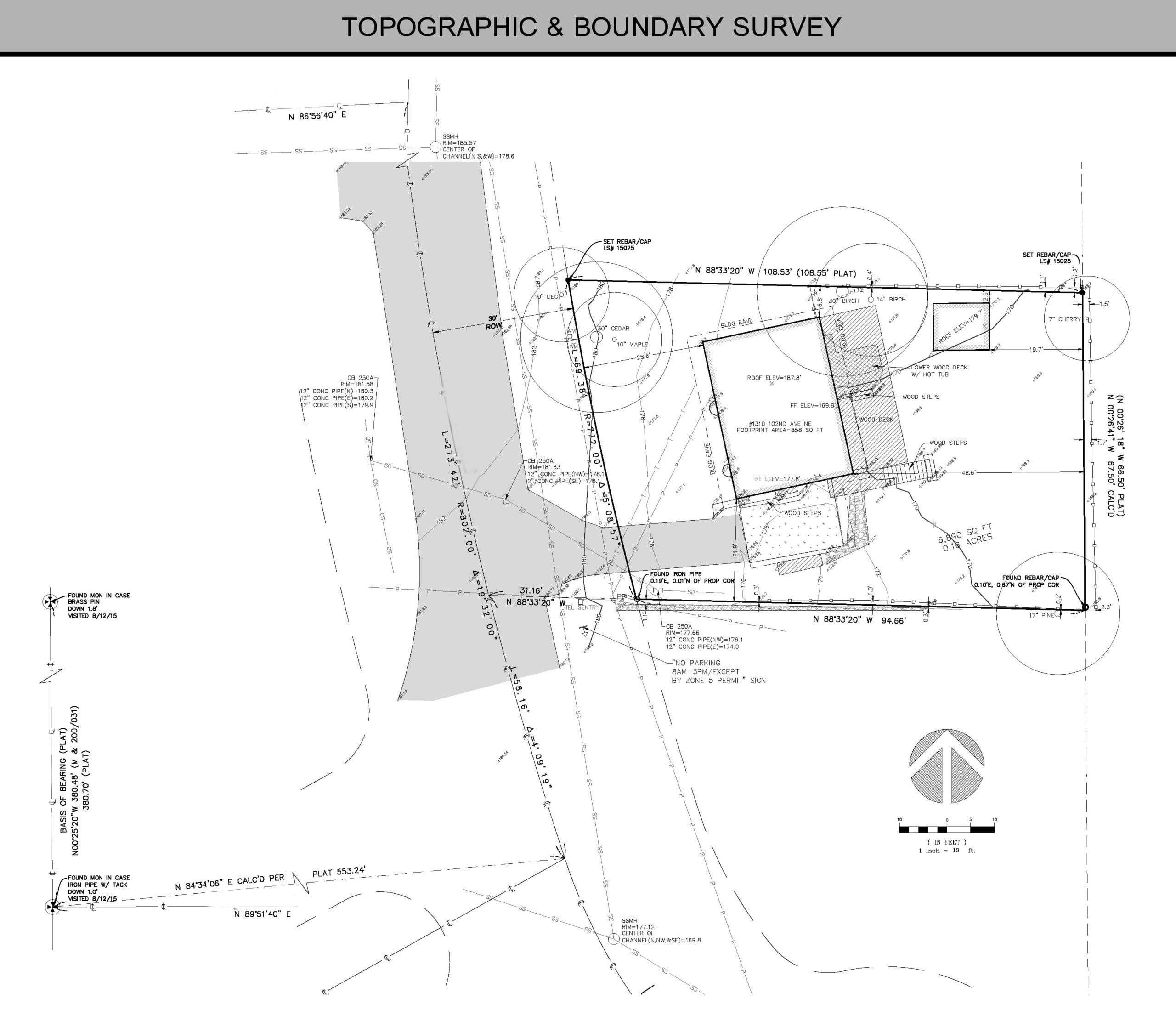
- Topography & Orientation: The slope and natural contours of your lot affect everything from foundation design to drainage systems. Sun orientation impacts natural light and energy efficiency. Risks include unexpected grading costs or limitations on floor plans. JayMarc’s design team uses topographic surveys to align your vision with the land, often turning challenges into design opportunities like daylight basements or elevated views.
- Setbacks, easements, and zoning: We conduct a code and title review early to identify any legal restrictions that determine how much of your land is actually buildable, setbacks that dictate how close you can build to property lines, easements that limit the placement of structures, and zoning ordinances that cap the size and type of home you can build. Failing to account for these can force costly redesigns.
- Utility access: Water, sewer, electricity, and gas connections are essential. If they aren’t available, extensions can add significant costs. A comprehensive utility assessment confirms availability, capacity, and extension costs before you commit. If a septic system is required, a soil test verifies that the land can support it.
Environmental considerations: Protected trees, wetlands, streams, or flood zones can trigger special permitting, limit buildable areas, or require mitigation. Ignoring these factors risks delays, legal complications, and expensive fixes. JayMarc Homes works with arborists and environmental consultants to identify restrictions upfront and build solutions into your plan, whether it’s tree preservation strategies or engineered drainage systems.
Step 2: Feasibility Studies and Reports
A thorough feasibility phase includes multiple specialized reports based on the findings in step one that confirm whether your dream home is achievable on your chosen lot, and includes:
- A Topographic Survey: Maps land contours to guide design and drainage planning.
- Environmental Testing:
- Contamination testing for hazardous materials or pollutants
- Wetland studies to determine any permit requirements
- Utility Assessment: Confirms existing capacity and, if needed, the costs of extensions.
- Arborist Report: Identifies protected trees and tree retention requirements.
Zoning and Code Compliance: Ensures design plans align with local codes, HOA restrictions, overlays, and FAR (floor area ratio) limits.
Step 3: Budget & Financial Feasibility
Even if a lot is determined to be buildable, the cost to prepare it can vary dramatically. The feasibility study connects site findings to real numbers. At JayMarc Homes, we translate these findings into realistic cost projections early, helping you avoid budget shock and allowing you to align your financial plans with site conditions.
- Site Preparation Costs: You’ll get a clear, early estimate that includes any necessary grading, excavation, or structural supports, such as retaining walls.
- Infrastructure & Utilities: Bringing in water, sewer, gas, or electricity, or designing a septic system, comes with upfront costs that need to be factored into your overall plan if these are deemed necessary.
- Drainage & Stormwater Requirements: Jurisdictional rules often require engineered systems to manage runoff, which can add expense if not anticipated.
Permits & Fees: Cities and counties set their own impact fees, permit costs, and review requirements that can influence your budget and timeline.
Step 4: Design Feasibility & Lifestyle Fit
Not every lot supports every dream home, even when it’s determined to be technically buildable. The design feasibility step helps to align what you want with what the property and local regulations will allow. JayMarc’s design-build team helps you avoid compromises mid-project by aligning your vision and lifestyle goals with regulatory and site realities to create a plan that works beautifully from the start.
- Desired Square Footage vs. FAR and Lot Coverage: If Floor Area Ratio (FAR) and lot coverage rules dictate how much house can be built on your lot, you risk having to downsize your plans or eliminate features. JayMarc reviews these requirements early to right-size your home design without surprises.
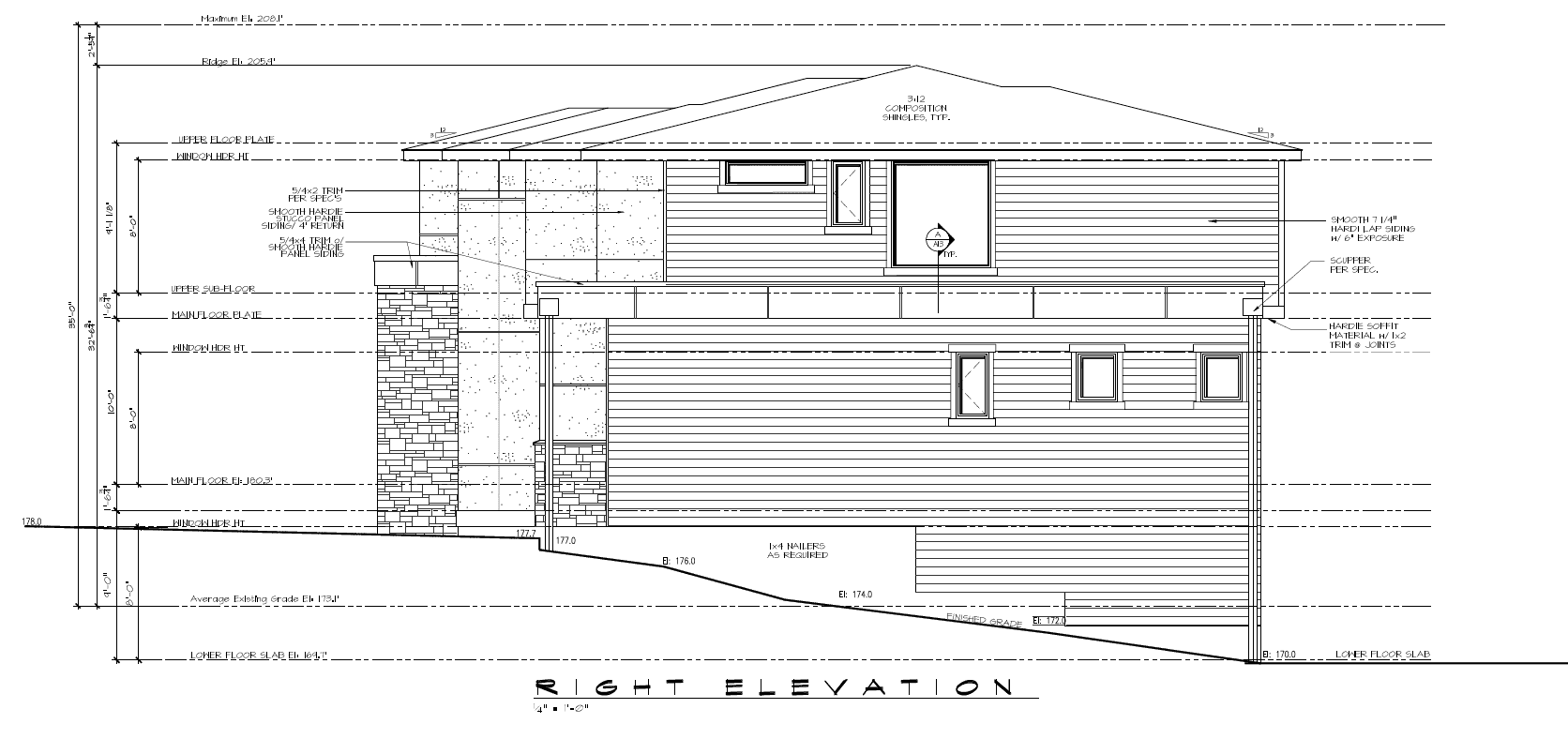
- Multi-Level vs. Single-Level on Sloped Lots: A sloped site may not be suitable for a sprawling single-level layout, but could be perfect for a daylight basement or multi-story design. Instead of spending time and money on a plan that won’t work, JayMarc’s team evaluates slope and topography upfront and matches your lot with the right type of layout.
Architectural Style, Outdoor Living & Garages: Setbacks, height restrictions, and easements can affect rooflines, garage placement, and the ability to add outdoor living features like covered patios or decks. To avoid last-minute redesigns, JayMarc uses feasibility findings to ensure your preferred style and features are integrated within your lot’s legal and physical boundaries from the start.
Step 5: Timeline & Regulatory Review
Permitting in the Greater Seattle area is complex, and requirements vary from city to city. Some jurisdictions take 4-5 months to process approvals, while others can take up to 12 months, and if revisions are requested, that adds to the timeline. Failing to obtain proper permits and regulatory approvals can leave custom projects at a standstill. At JayMarc Homes, we address these early, helping to set realistic expectations and prevent timeline delays. A feasibility study identifies:
- Which jurisdictions control your lot
- Whether special reviews like architectural design boards, shoreline management, or critical areas apply
- How building code and zoning ordinance updates may affect your project
Step 6: Risk Identification & Contingency Planning
Every property carries some risk, from wetlands that limit buildable area to expensive utility extensions. The key is knowing what you’re working with before you build (or buy!). The feasibility study helps flag the risks, and gives you a better understanding of how those risks affect buildability.
At JayMarc Custom Homes, our feasibility team helps identify risks and offers realistic solutions. We’ll provide backup strategies, design adjustments, cost estimates, and risk assessments that give homeowners confidence to move forward, or walk away, with clarity.
Step 7: Delivering the Feasibility Report
At the end of the feasibility process, you’ll receive a comprehensive report that becomes the foundation for JayMarc’s Discovery Phase. This easy-to-understand report serves as a roadmap that helps you make informed decisions about your custom home building process, ensuring that your project is fully informed and risk-managed for a smoother experience from start to finish. Your report will include:
- Key findings from site surveys, environmental studies, and code reviews with a list of exactly what conditions apply to your lot.
- Budget implications and realistic breakdown of development costs that reflect your lot’s specific characteristics.
- Recommendations for next steps and practical guidance for handling any issues that arise.
The Feasibility Process at JayMarc Custom Homes
Our step-by-step feasibility process includes:
- Initial Consultation: Review your vision and property potential.
- Engaging Experts: Partner with surveyors, engineers, and environmental specialists.
- Analysis & Reporting: Compile data into a clear, actionable report.
- Client Review: Present findings, answer questions, and recommend next steps.
This process seamlessly transitions into our proven design-build system:
- Discovery: Feasibility, surveys, and budget alignment.
- Site Prep: Making your lot build-ready.
Design + Build: Confidently moving into construction with clarity and support.
What a Feasibility Study Saves You Time, Money, and Stress
Skipping the feasibility process may seem like a shortcut, but it often leads to unnecessary stress, budget surprises, and delays down the road. A thorough feasibility study confirms whether your lot is buildable, identifies issues before you invest, minimizes risk, and gives you important details necessary to make informed decisions about building on your lot. The feasibility report also helps align your budget with your goals by identifying any issues that may add to the overall cost of your project, preventing hidden expenses and cost overruns mid-build. Finally, and maybe the most important, is timeline management. There’s nothing worse than being told your home will be ready by a certain date, only to deal with frustrating delays and stalled progress. The feasibility process accounts for approvals, studies, and permits upfront, so we can manage your timeline efficiently and keep construction on track.
Why You Should Choose JayMarc to Build Your Custom Home
Building a custom home is one of life’s biggest investments. You deserve a builder who prioritizes quality, accountability, and your peace of mind.
As a trusted Design-Build firm in the Greater Seattle Area, JayMarc Custom Homes brings decades of experience, award-winning design, and local knowledge to every project. From lot assessment and budgeting to design and final walkthrough, our refined, proven process ensures you’re supported at every stage.
With a focus on lifestyle, function, and timeless design, every JayMarc home is tailored to how you live, balancing luxury with livability and quality with customization.
At JayMarc Custom Homes, we believe building beautiful and functional homes is only part of our purpose. What truly sets us apart is our commitment to delivering an exceptional, personalized experience every step of the way.
Our white-glove service means you’re cared for at every touchpoint from your initial consultation to post-move-in support. We offer proprietary tools like our digital homeowner portal, educational resources like webinars and articles, and a client-first approach that prioritizes communication, transparency, and peace of mind.
From day one to move-in day and beyond, JayMarc’s process ensures your custom home is delivered on time, on budget, and to the highest quality.
Common FAQs About Feasibility Studies
How much does a feasibility study cost?
Feasibility costs vary depending on property size and required studies. JayMarc Custom Homes provides tailored estimates for each lot.
Can I do a feasibility study before I buy land?
Yes! And we highly recommend it to avoid buying land that isn’t buildable. Feasibility during the contingency period helps you decide before your earnest money is locked in.
What happens if the feasibility study finds problems with my lot?
The findings in a feasibility report will help you evaluate whether to proceed, negotiate, or walk away without costly surprises. JayMarc Custom Homes provides solutions and clear next steps so you can make an informed decision.
Is a feasibility study required?
Not always, but it’s highly recommended to confirm buildability.
How long does a feasibility study take?
Typically a few weeks to a couple of months, depending on the complexity.
Who conducts a feasibility study?
Surveyors, environmental consultants, engineers, and architects collaborate with JayMarc’s feasibility team.
Ready to Build with Confidence?
JayMarc Custom Homes’ dedicated feasibility team helps you evaluate land, identify risks, and protect your investment before you build.
Start Your Journey